Dear Chicagoland Flippers, I’ll Do It for Free.
Let’s have a little chat on character, resale, and the quiet exhaustion of overly perfected spaces.
There’s a certain kind of house that people respond to before they can ever articulate or explain why.
It may not be the largest house on the block, or that they’ve seen that day. It may not offer the newest kitchen, the biggest primary suite, or the most dramatic before-and-after renovation.
On paper, it may even have a few things that require some compromise. Maybe the pantry’s smaller than expected; the basement is completely unfinished; the upstairs bedrooms have sloped ceilings, or maybe the floor plan has one of those strange older-home decisions that makes perfect sense only after you live with it for a while.
And still, something about the house makes people soften.
I see it all the time working with buyers across the Chicagoland area.
They’ll linger in the kitchen... They’ll notice the touch of old door hardware, the beautiful light pouring into the dining room. They’ll stand in the living room and just bask in all the gorgeous millwork.
They start making little comments that sound casual but usually mean something bigger: “this feels so peaceful.” “this one has something.” “I can actually picture us living here.”
That response is not random my friends.
As a real estate agent, I spend a lot of my time walking through homes with buyers across Naperville, Glen Ellyn, Wheaton, Downers Grove, Hinsdale, Clarendon Hills, Elmhurst, Geneva, Batavia, Chicago, and all of the surrounding western suburbs (plus, the city!)
I’m constantly watching how people react to homes in real time. And one thing that’s become increasingly obvious to me is that people are not craving “perfectly updated” homes in the same way they once were (if they ever did).
Yes, buyers today still want functional homes. They still want smart updates, good layouts, newer mechanicals, practical storage, and homes that make sense for their actual lives. Of course they do.
But more and more, the homes that seem to stay with people (and around here, achieve multiple offers) are not always the ones that simply check the box of “transformed” and “updated.”
They are the ones that feel the most human.
The phrase “lived-in” can sound almost like an apology, as if it means cluttered, dated, overly personal, or unfinished. But that’s not what I mean here.
A lived-in home, at its best, is a home with evidence of thought. It has layered texture, rhythm, memory, and a sense that someone made choices for reasons beyond resale. It feels collected rather than assembled. It feels like the opposite of walking into a house where every finish was selected from the same safe, searchable formula.
You already know what I’m referring to, don’t you?
I think this distinction is becoming more meaningful, especially right now.
The exhaustion of homes that feel “optimized”
For a long time, it seems the safest version of “good design” grew easy to work with and identify. White walls. LVP floors. Black matte hardware. A white quartz island. A few open shelves. Maybe a black-framed shower door. Don’t forget the dramatic light fixture over the dining table. Everything clean, bright, neutral, and camera-ready.
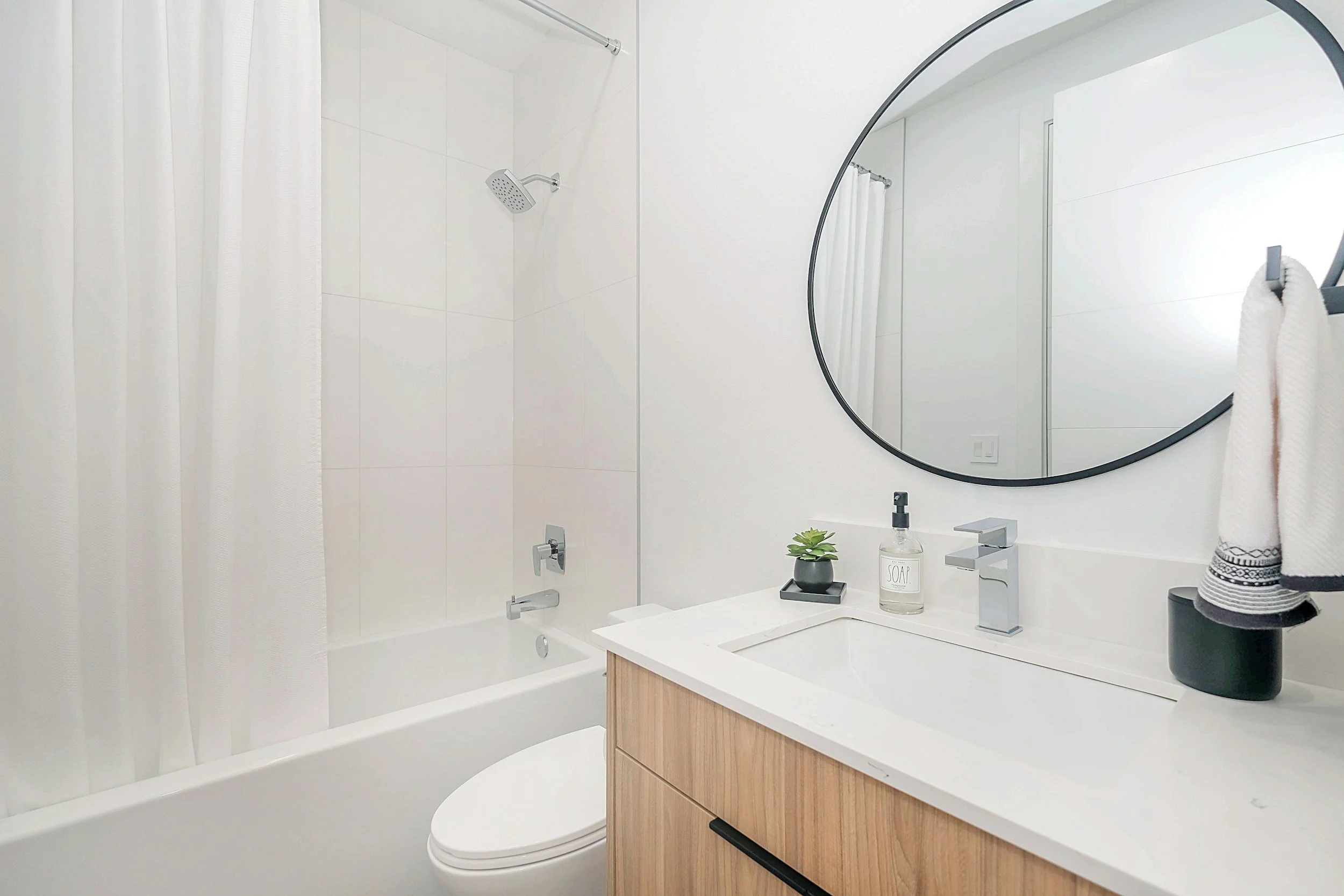
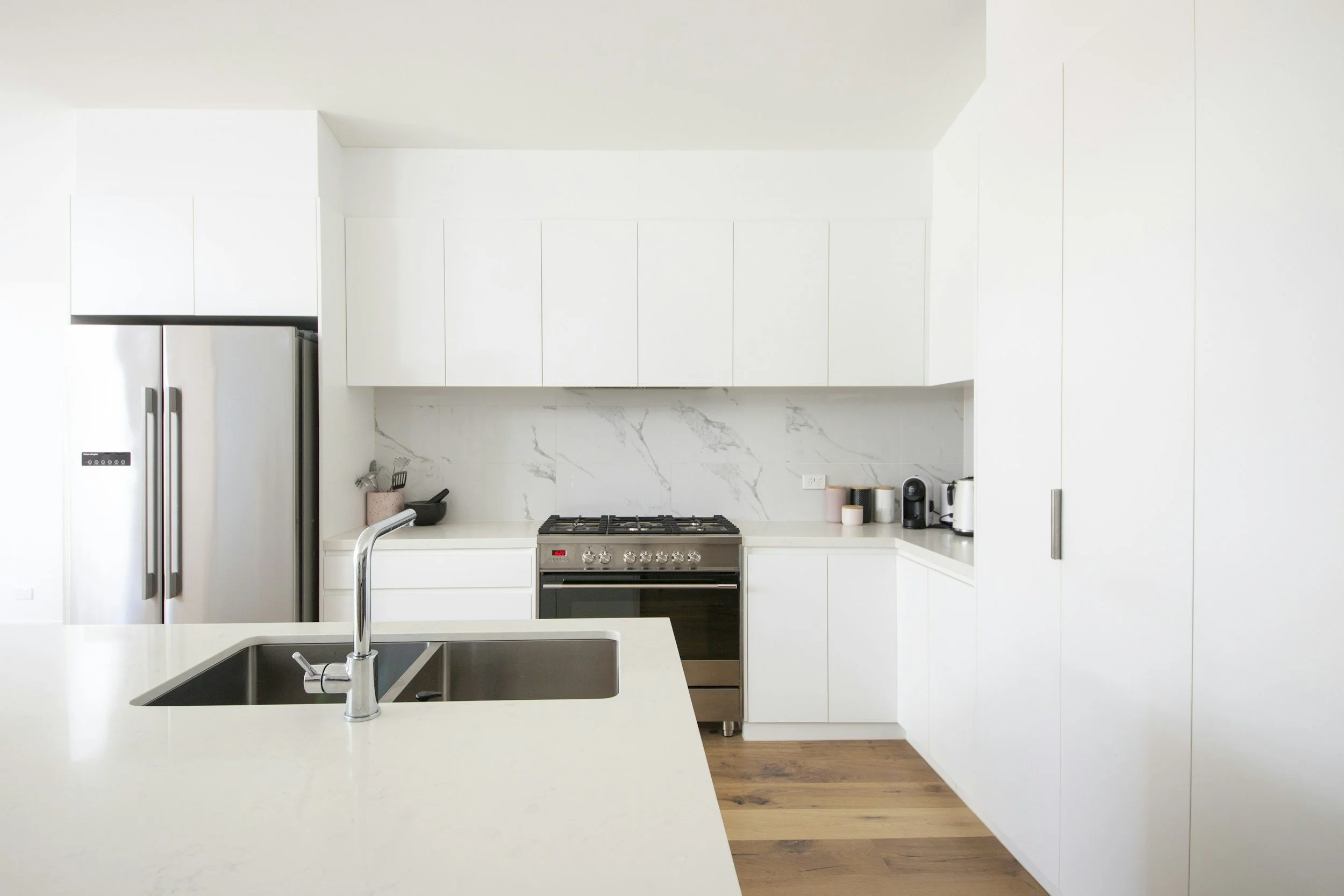
And maybe there’s a reason this look took over (even if I haaaaaaate it).
After decades of heavier interiors, darker cabinetry, orangey woods, busy granite, and builder-grade beige, the clean renovation felt like a reset. Buyers wanted light. Sellers wanted broad appeal. Investors wanted fast decisions with predictable outcomes. Online listing photos rewarded spaces that were bright, legible, and easy to digest in three seconds.
The thing is, when a look becomes repeatable, it eventually stops feeling like taste and starts feeling like a default setting.
And this is where I think a lot of buyers are quietly arriving now. They are not necessarily rejecting updated homes. They’re feeling disappointed by seeing so many homes being stripped of their own identity in order to become maximally inoffensive.
In my perspective, this matters because a home is not consumed the way we consume a photo. A photo can survive on symmetry, brightness, and trend alignment. A home has to survive all the in-person walkthroughs and eventually daily life. You have to make coffee there when you are half awake. You have to bring groceries in through the side door. You have to sit somewhere when you are overstimulated. You have to fold laundry, host holidays, make hard phone calls, recover from long days, and live through ordinary Tuesdays. A home that photographs beautifully but feels emotionally blank can only take you so far. And I think people are becoming more sensitive to that blankness.
Why character feels different when you’re actually inside the home
Character is one of those words that gets thrown around constantly in real estate but is rarely explained well. Sometimes it’s used as a “polite” way to say old. Sometimes it means charming but impractical.
Maybe sometimes it means the listing agent simply didn’t know what else to say, haha. But real character is more specific than age.
A newer home can have character (shoutout to the designers who achieve this for homeowners), and an older home can be completely devoid of it if every meaningful detail has been removed (you’re my least favorite type of person if you do this).
Character comes from a sense of relationship between the home, the materials, the proportions, the light, the neighborhood, and the people who have touched it over time.
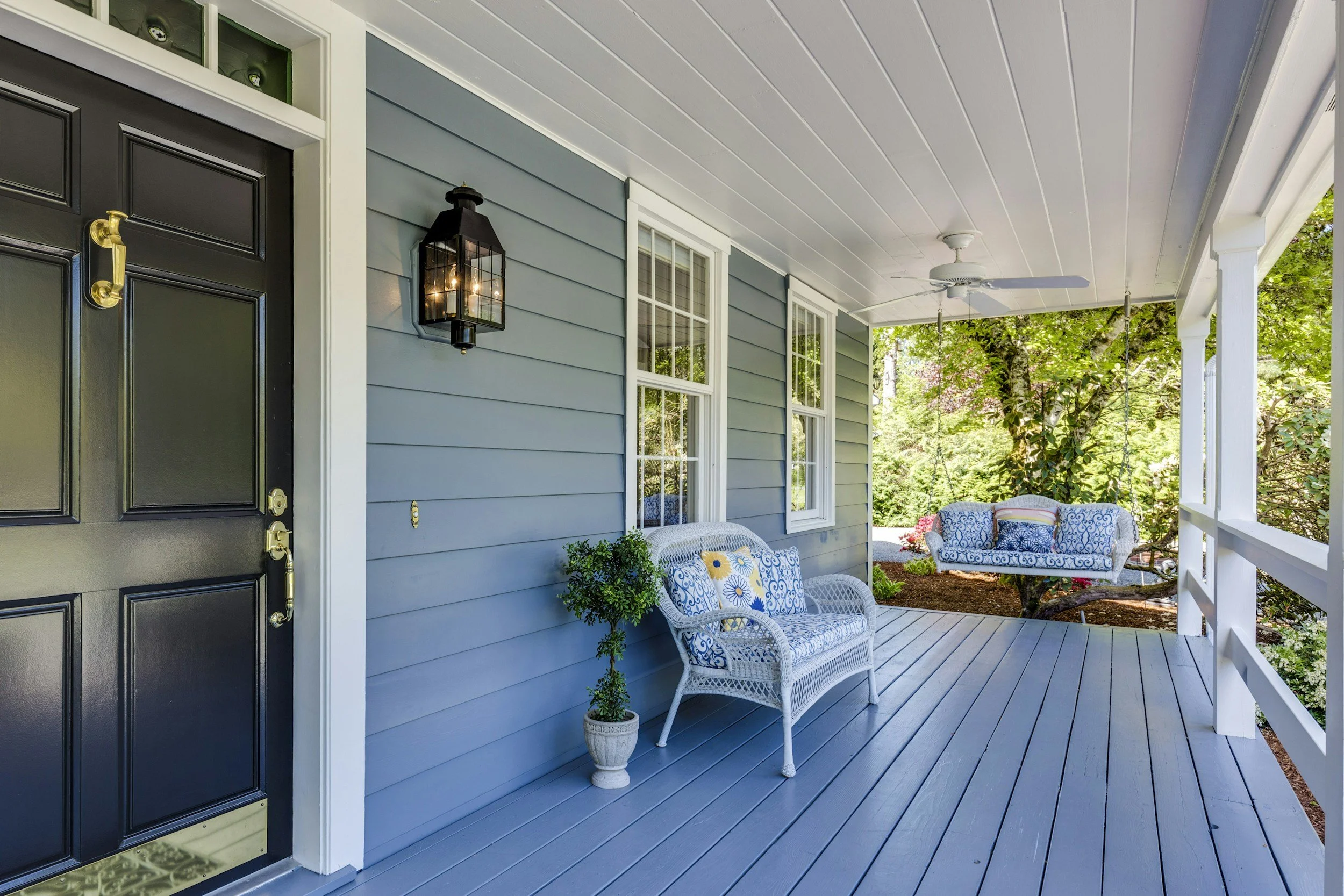
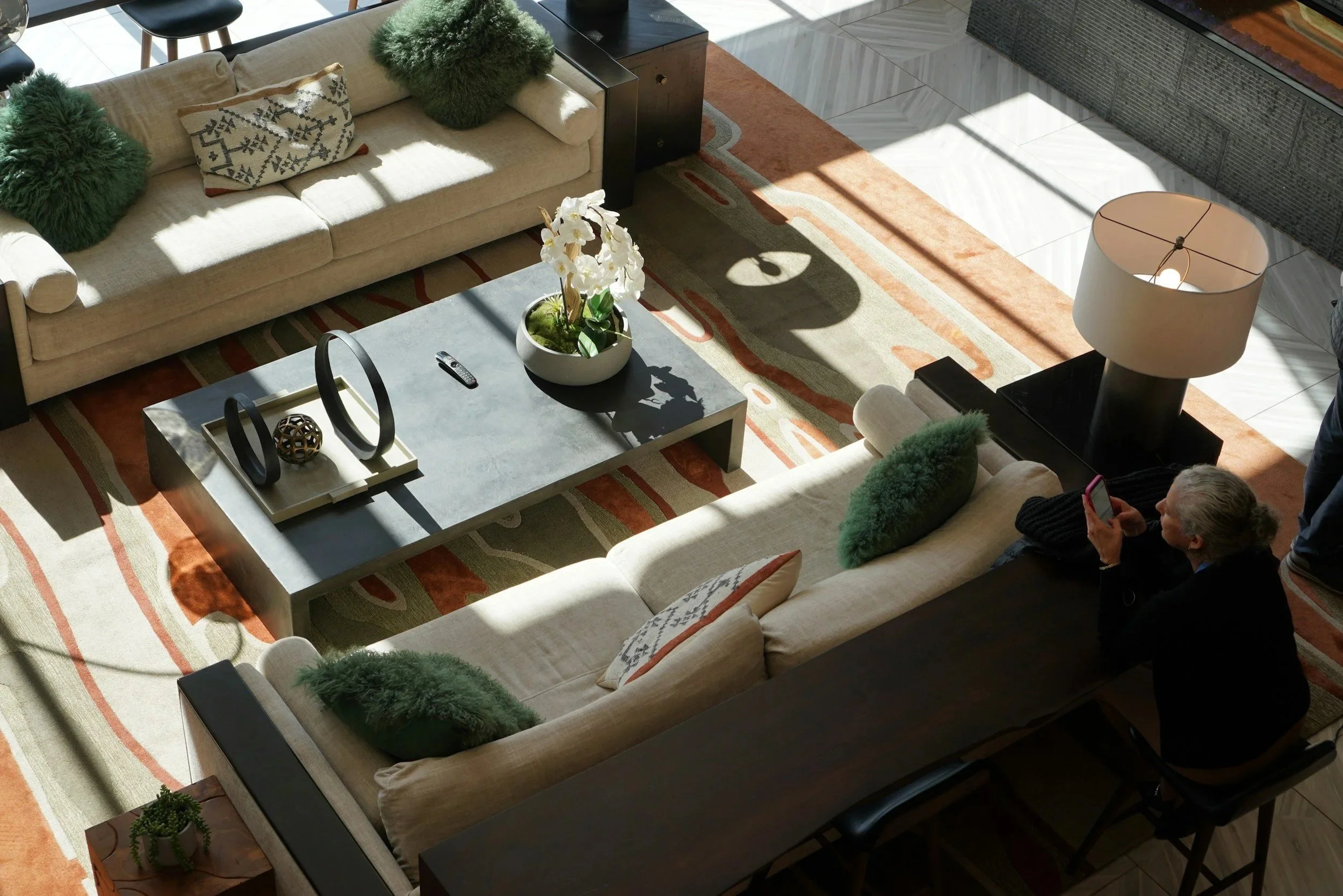
In the western suburbs of Chicago, this matters because soooooo many of our towns have beautiful, layered housing variety.
Naperville, Wheaton, Glen Ellyn, Downers Grove, Hinsdale, Geneva, Batavia, La Grange, Oak Park, and Elmhurst all have homes where the original charm is part of the value, even when the home still needs modern updates. Original millwork, proper dining rooms, built-ins, arched openings, plaster walls, old hardwood, sunrooms, brick fireplaces, vintage doors, butler’s pantries, radiator heat, staircases with presence, window seats, odd little nooks. These details are not automatically precious, and they’re not always functional in their untouched form. But they do give a home a starting point.
When those details are thoughtfully preserved, the home has something to build from. When they’re all removed, the renovation has to work much harder to create feeling from scratch. Sometimes it succeeds. Often, it doesn’t.
And this is one of the things I wish more investors and flippers understood.
The goal should not be to make an older home look “new.” The goal should be to make the home feel cared for, functional, and coherent without erasing the qualities that made it worth renovating in the first place.
The resale value conversation is more nuanced than people think.
I understand the fear behind safe design choices. I really do.
When someone’s renovating with resale in mind, especially in a market like DuPage County or the western suburbs where buyers can be highly discerning, sure. It’s totally tempting to choose the finishes that feel “least likely to offend anyone.” A very neutral renovation feels easier to defend. It seems safer for appraisal. It seems easier for buyers to understand. Overall it seems less risky than choosing something with warmth, color, texture, or specificity.
But the assumption that “safe” always creates the most value is not entirely right. Safe can help a home avoid objections. But memorable helps a home create desire. Those are not the same thing, and those do not command the same market value.
A buyer may not object to a generic renovation, but that doesn’t mean they feel emotionally pulled toward it and ready to throw their wallet at you. They may say, “yeah, this is nice,” and then forget it by the time we get to the next showing. Meanwhile, another home with personalized materials, interesting lighting, thoughtful preservation, a few beautifully selected finishes, and a stronger sense of atmosphere may stay in their mind all day!
That emotional recall has legitimate value. These decisions affect showing feedback, offer motivation, whether a buyer feels comfortable stretching budget, decide to return for a second showing; if they run to describe the home to their family and friends.
And please understand that I’m not saying that every single home should be quirky or overly designed. I’m not saying sellers should ignore buyer expectations of clean and “put together",” or that investors should gamble their margins on niche finishes.
What I’m trying to say is that the best resale design is notthe blandest version of neutral.
Instead, the best resale design is the version that understands: the likely buyer, the architecture of the home, the price point, the neighborhood, and the emotional atmosphere the home is capable of creating.
This is one of the examples I’m obsessed with that perfectly showcase how design and real estate overlap. A beautiful renovation is not just a collection of “pretty” selections.
It is a market strategy.
The Little Luxuries part of my brain
Many of you know this, but my relationship with homes did not start when I became a real estate agent. I’m the eldest daughter of Susie Q, also known as Sue or Susan Finck, owner of Little Luxuries, the beloved storefront in downtown Naperville at 212 S Main St.
If you know Little Luxuries, you know it’s always had a very specific kind of magic.
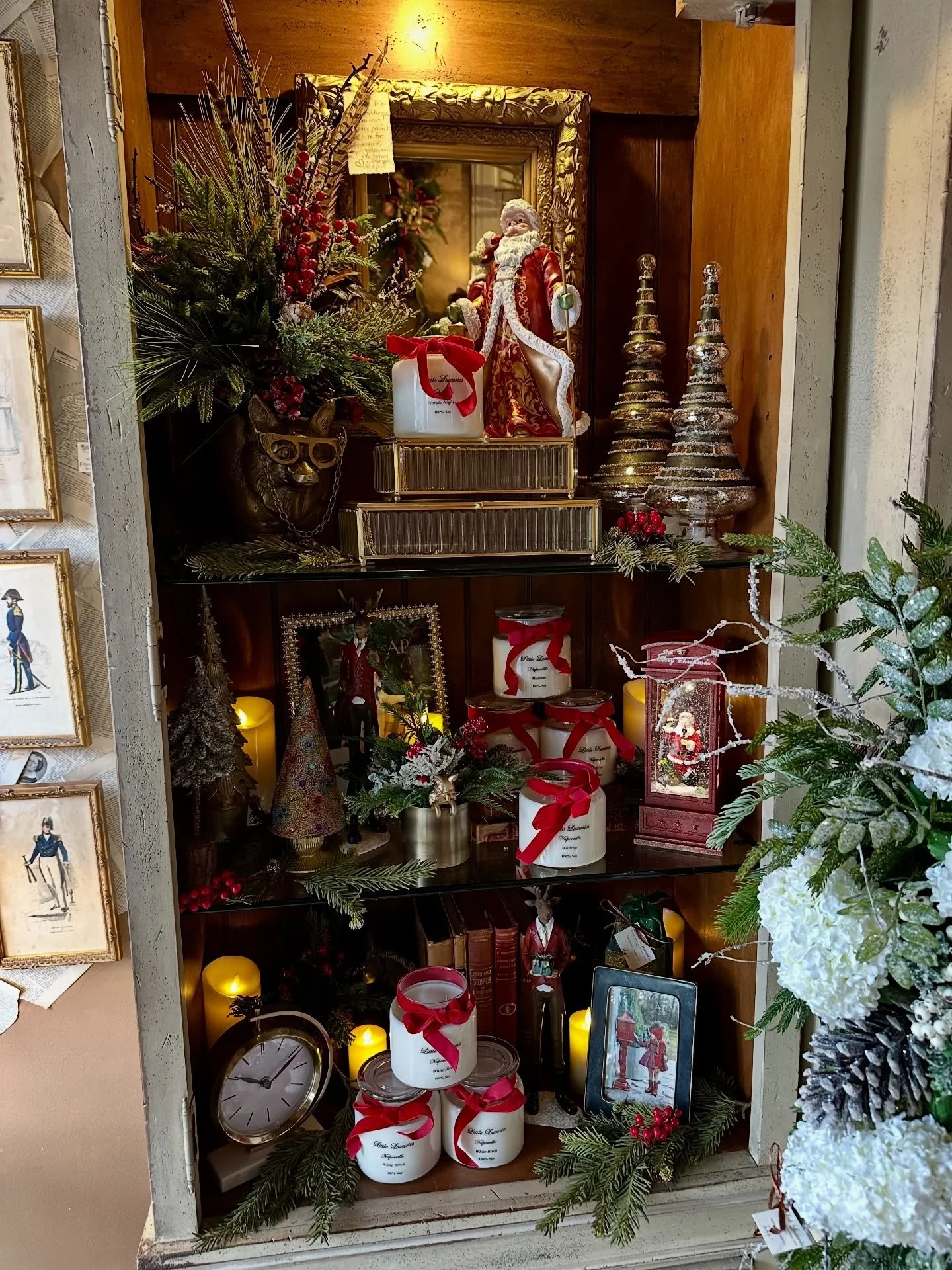
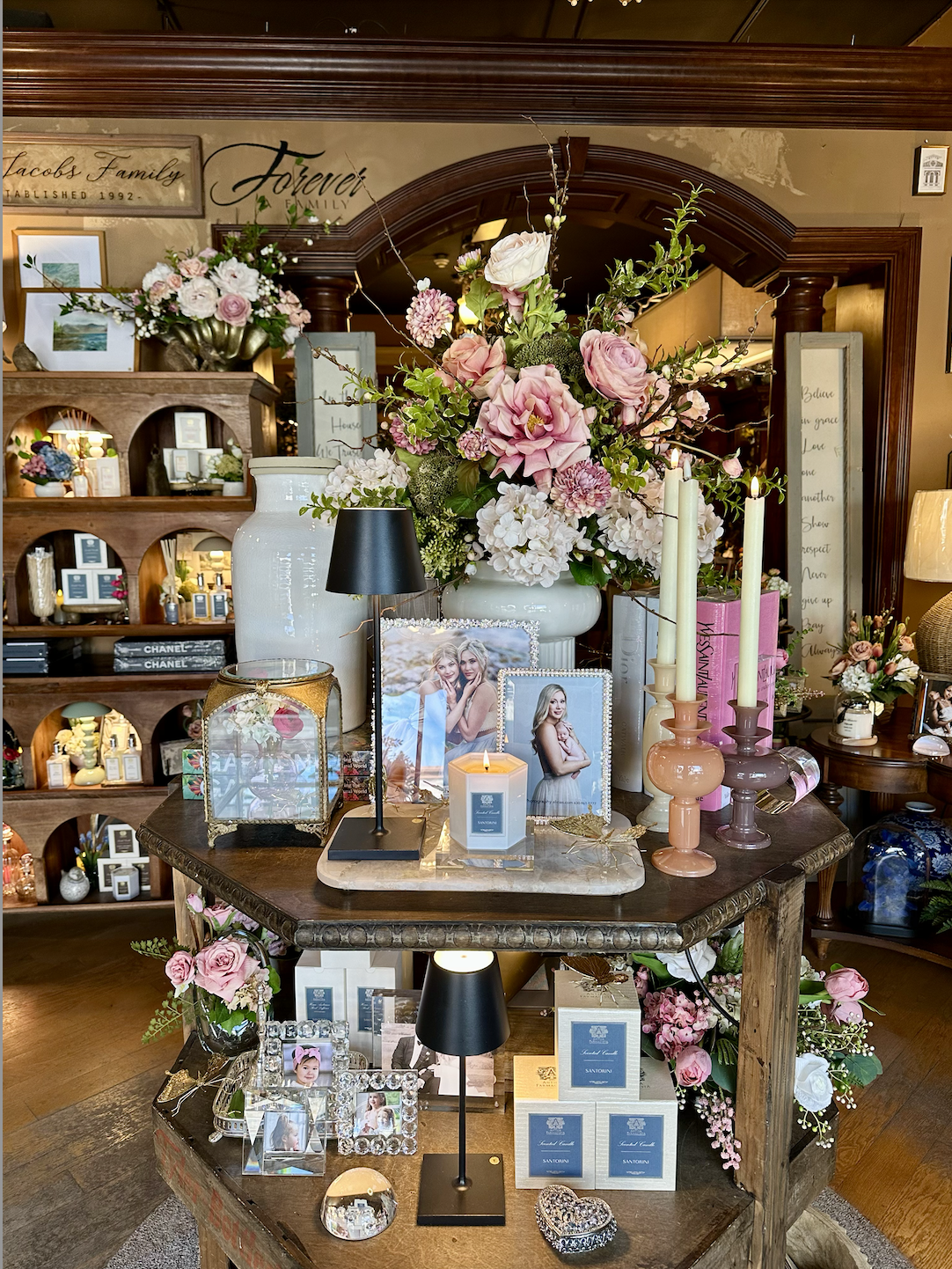
The moment you step inside her store, you see how thoughtful, layered, charming, seasonal, personal, and full of things that make people stop and say, “oh my gosh, this is so beautiful.”
It’s my go-to for client closing gifts (of course) but also for holiday accents, home decor, jewelry, little treasures, and the kind of pieces that make a home feel more like itself.
And Miki’s custom floral arrangements deserve their own love because boy is that woman wildly talented!

Growing up around a mother with such a natural design eye shaped me more than I probably ever realized when I was younger.
I was watching someone create real feeling through objects, color, texture, display, proportion, and timing.
I was watching the way people responded to beauty that felt personal rather than intimidating.
At Little Luxuries, I saw the difference between something being technically “nice” and something making people feel delighted, comforted, or understood.
That is part of why I think I care soooo much about this.
When I walk through homes, I’m not only thinking as a Realtor. I’m also thinking as someone who grew up around the emotional language of things. A lamp is not just a lamp. A cabinet color is not just a cabinet color. A front entry is not just a place to drop shoes.
These choices affect how people experience themselves inside a space.
And yes, I know that sounds a little dramatic. But I also think it’s just true.
“We are our home” sounds like a basic b*tch Pinterest quote, but stay with me
I heard this years ago and I’ve kept coming back to it throughout my career:
We are our home.
Not in a cheesy, inspirational quote kind of way.
I mean that our “physical interiors” and our “personal interiors” are constantly speaking to each other.
The rooms we live in affect how we move through our days.
The materials we touch, the light we wake up to, the way sound carries, the way a kitchen invites people in or keeps them out, the way a bedroom lets us exhale, the way an entry either absorbs the chaos of daily life or throws it back at us.
These things matter because we are not “separate” from our environments.
A home can make life feel more frantic, or it can help life feel more held.
And that’s why I think this current “craving” for lived-in interiors is actually a little deeper than another design trend or talking point. It’s not just that people suddenly like cafe curtains, vintage art, un-lacquered brass, warmer tones wood and handmade tile, aged metals, natural stone, patterned textiles, and skirted tables again.
Those things are part of it, but they’re not the whole story here.
The deeper shift is that people are tired of spaces that feel untouched by life.
We live in a world where soooooooo much is being optimized for performance, visibility, speed, constant consumption. Even our homes, through social media and real estate marketing, have become part of that “visual economy.” They’re photographed, posted, saved, judged, compared, renovated for “the algorithm,” and then staged for a version of life that often looks oddly calmer than it actually feels.
So when people respond to interiors that feel softer, older, warmer, more collected, or more personal,
I think they are responding to relief.
They are responding to the sense that the home is not asking them to perform.
What buyers are rewarding right now
When buyers say they want character, they don’t always mean they want an old house. At the same time, when they say they want move-in ready, they do not always mean they want everything to be brand new.
A lot of the time, buyers are trying to describe a feeling they do not have the design language for yet.
They want a home that feels easy to live in and is warm without feeling cluttered. They want updates without sterility; function without losing softness. They want a kitchen that works for real life but doesn’t feel like it was selected from Home Depot’s list of top-buys for resale value. They want the house to feel clean, but not cold. Elevated, but not untouchable. Personal, but not so personal that they could never imagine themselves there.
This whole balance is hard to create, which is exactly why people notice when a home has it.
And it’s also why I think the best real estate guidance I or anyone else can give you goes beyond bedrooms, bathrooms, square footage, and recent comps. These things are essential, and I will never pretend otherwise. Pricing matters. Appraisal risk matters. Inspection concerns matter. School districts matter. Location within a town matters. Inventory matters. Negotiation strategy matters. But buyer psychology matters (a whole heck of a lot) too.
And the more homes people tour, the more they start to understand the difference between a house that checks boxes and a house that creates attachment.
Amanda Lee’s serious plea to the flippers of Chicagoland
I say this with genuine affection and only a tiny bit of begging: If you are an investor, builder, or flipper working on homes in Naperville, Glen Ellyn, Wheaton, Downers Grove, Hinsdale, Elmhurst, Geneva, Batavia, Chicago if you are anywhere in the surrounding suburban markets across Chicagoland, please consider me emotionally available for finish selection intervention.
I’m only half kidding.
At some point in 2026: I would love to add a more formal “design-adjacent” service offering to Home with Amanda Lee.
The idea in my head is very simple.
If you’re someone renovating a home for resale & obviously want to keep your budget under control: I would love to help you make selections & source still-affordable fixtures & materials that feel thoughtful, specific, and appropriate for the house, completely for free. (Trust me, if I can actually achieve this, the outcome will be worth it’s weight in gold).
I promise, there are options between “expensive custom designer renovation” & “the exact same materials everyone else is using.” There are affordable tiles with more depth. There are cabinet colors that still appeal to buyers but feel more elevated than stark white or flat gray. There are hardware choices that bring charm without becoming trendy. There are light fixtures that can change the entire emotional temperature of a room. There are ways to preserve original features while still making the home feel fresh and functional. And there are so many homes in our area that deserve better than being turned into the most generic version of themselves (crying as I type).
Personality and intentional design. Not a liability, people.
The homes that stay with us
The most beautiful homes are not always the most “perfect” ones.
They are the homes where the choices feel connected and the materials make sense. The homes where something has been preserved, softened, layered, and cared for. The homes that understand light and invite actual living. The homes that do not feel embarrassed by their age, and those let modern life happen without pretending history is something to cover up or “modernize” head to toe. (roof shingle to foundation floor?)
These homes stay with people. They stay with communities and neighborhoods because they remind us that beauty has nothing to do with being sterile. And so maybe, hopefully, that is why I think lived-in interiors are resonating again. Because we are all a little tired of being sold “perfection.”
We want homes that feel like they can hold real life. A lived-in home is not a lesser version of a designed home.
When done well, it is the highest version of one.
