Goodness gracious, this one hurts. First Dolly, now Gloria.
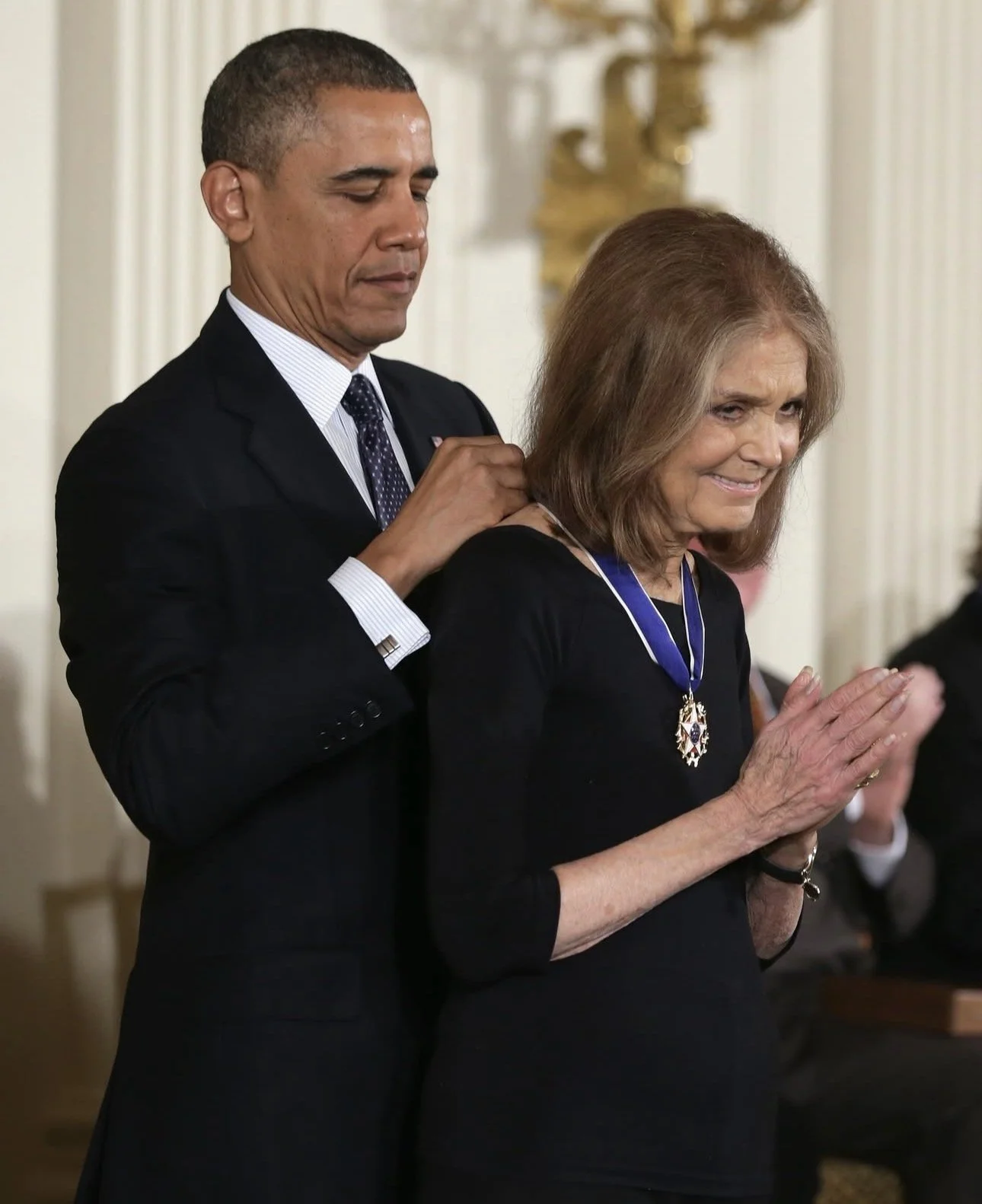
It was brutal to wake up this morning and hear the news of Gloria Steinem passing away yesterday at her home in New York. I didn’t personally know Gloria, and obviously won’t pretend otherwise. But I don’t know… I do think there’s sometimes people who become so embedded into the world we ourselves live, from experiences we have to values we subconsciously inherit or subscribe to, that, yeah, there’s some kind of connection to that person that feels quite personal, anyway. At least that’s how I feel about this remarkable lady.
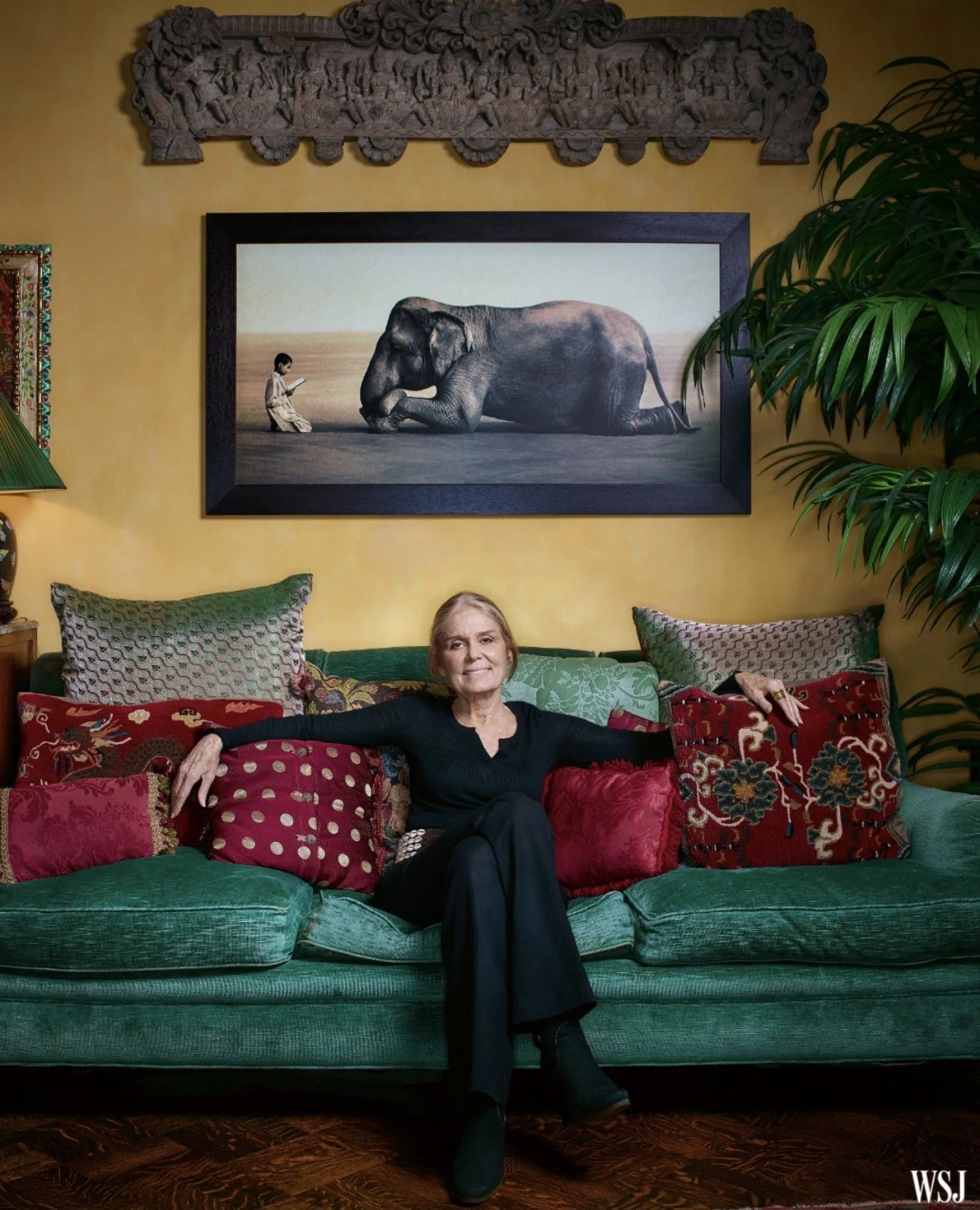
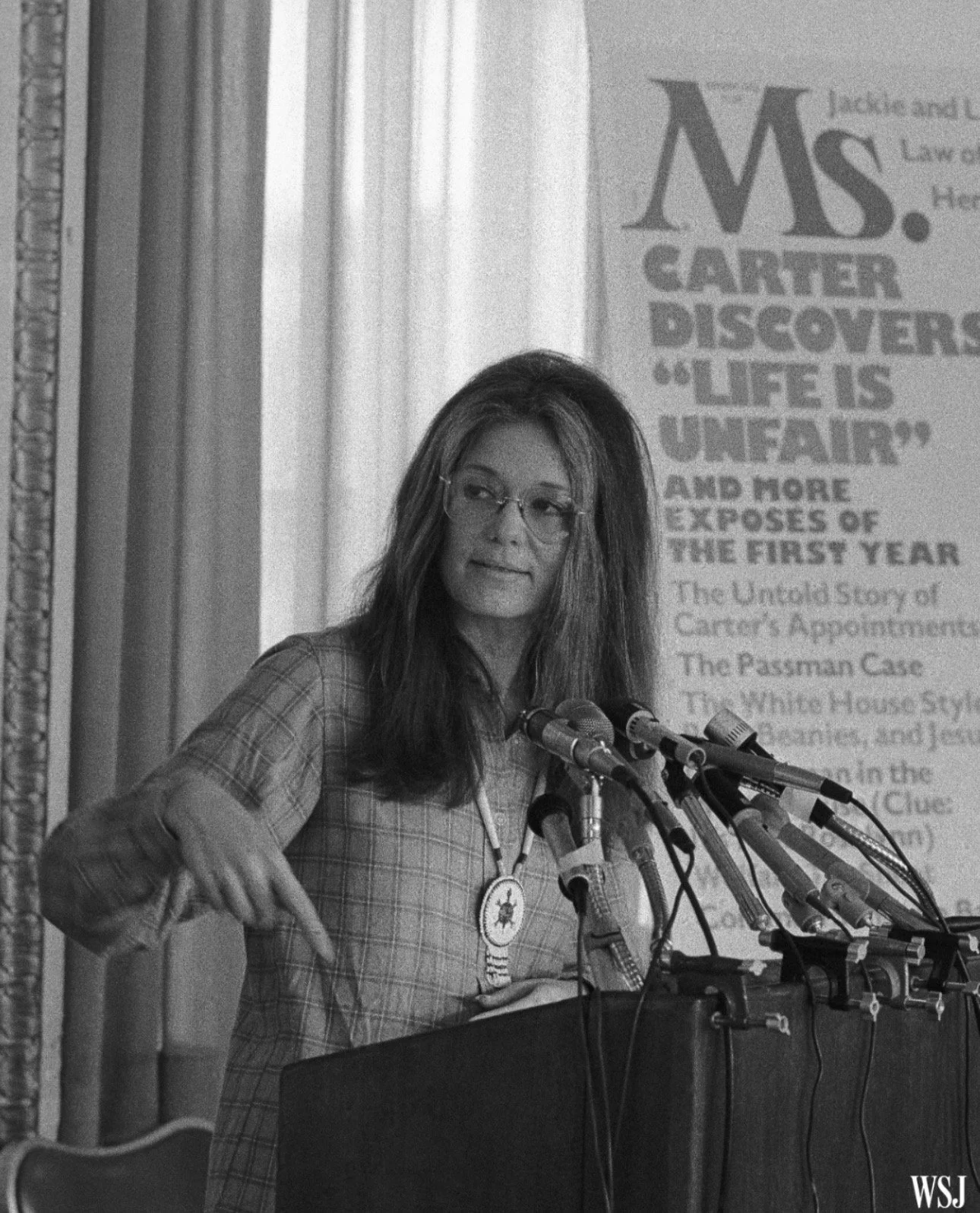
I remember first learning about Gloria in high school back at Naperville North.
My sophomore year I opted to take this class that was basically a merging of that year’s credit for both social studies and ELA.Shout out to Ms. Wilson & Ms. Smith at the time (I attribute a lot of what shaped me back in my teenage years to them honestly). Anyway, looking back, this was hands down one of my favorite classes.
At some point we had a massive presentation assignment where everyone picked a notable figure and spent weeks, maybe even a month or so, diving into their life. Presentation day eventually came and we all did the absolute most, standing up among our peers and spending the day teaching each other everything we could; a deep dive into everything we had learned about our person.
One of my close friends chose Gloria Steinem.
(I can’t even remember who I picked, but not the point).
I distinctly remember learning about her. Ever since, there’s been a gravity that pulls me toward learning more & more about her. I can’t remember exactly what fact or story may have hooked me that day.
Maybe it was learning that in 1963, Gloria chose to go undercover as a Playboy Bunny and then fearlessly wrote about what women working inside the club were being subjected to.
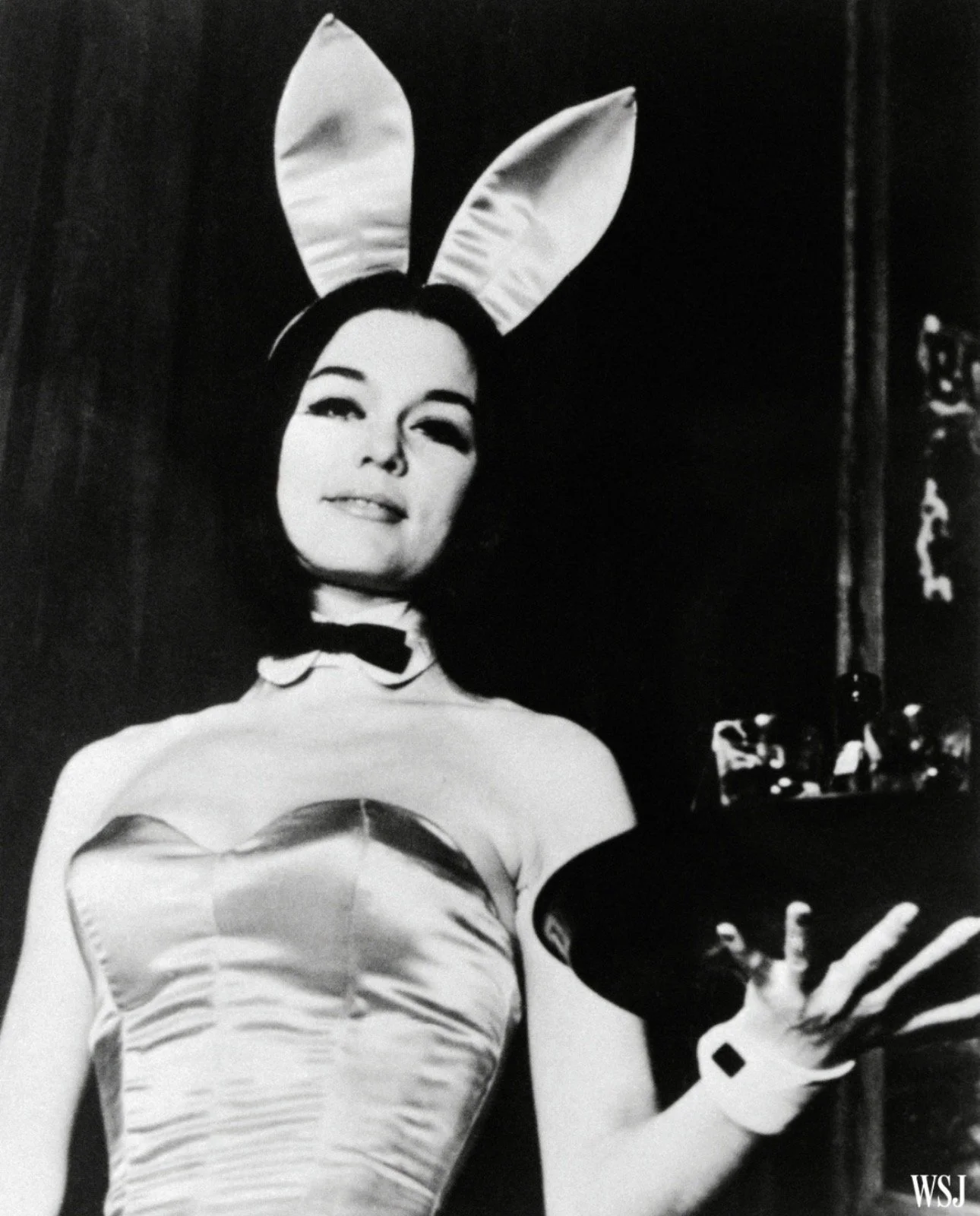
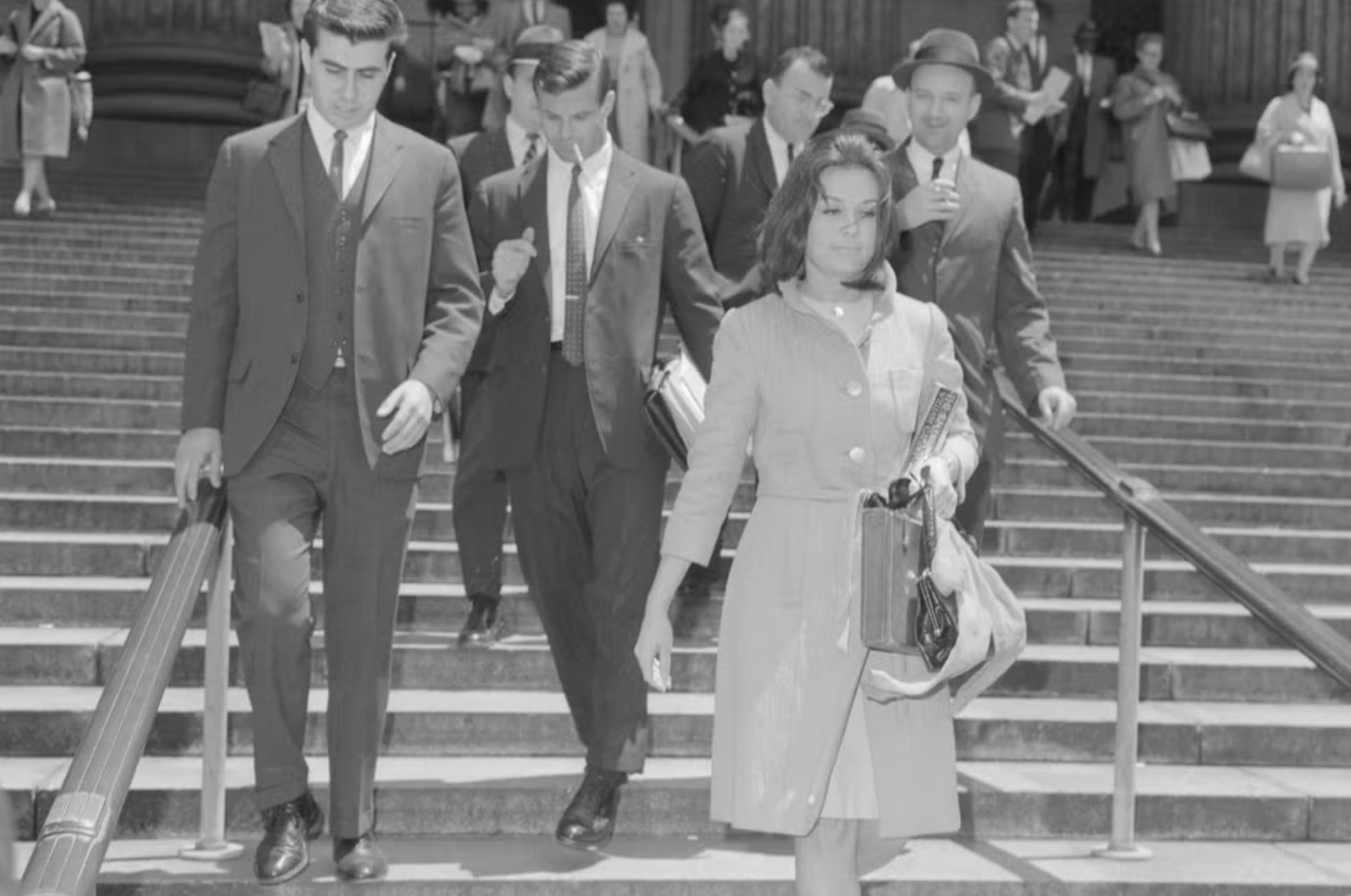
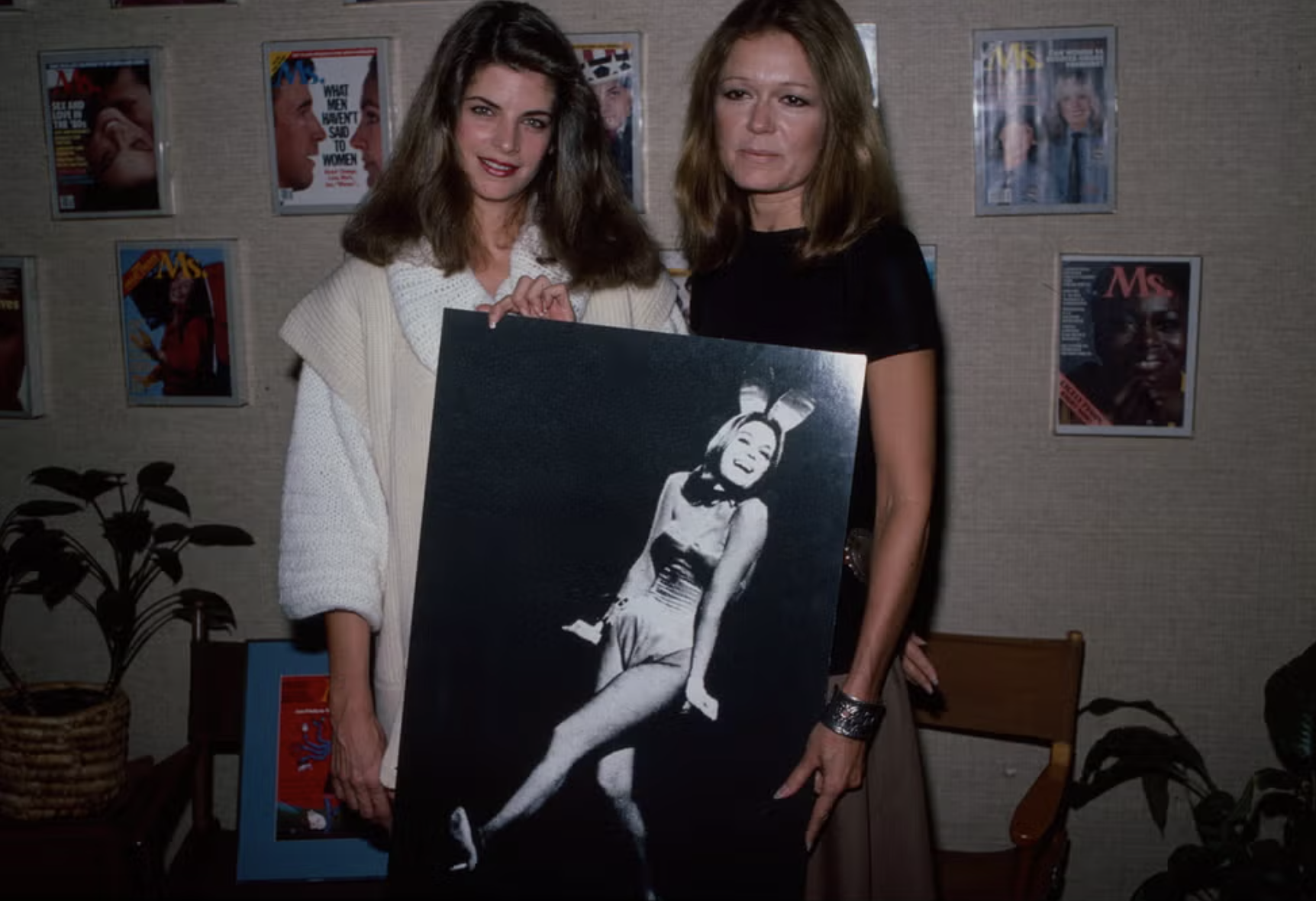
Maybe it was the sheer audacity of a woman building a career around going into rooms she wasn’t invited into and then telling the blunt truth about what she saw.
The more I’ve learned about Gloria following that day in my American Studies class, the more I understand exactly why Gloria’s always been such an influence in my world.
This woman spent more than six decades unapologetically arguing, organizing, writing, traveling, listening, learning and, God bless her, adamantly refusing to shut up about women’s freedom and the human conditions wrapped around it.
Even before we all knew her name, Gloria had spent 2 years in India after graduating from Smith. She traveled on buses and in women-only train cars, spent time in villages, studied Gandhian organizing and encountered the talking circles (that she would later recognize as profoundly formative to how she understood organizing itself).
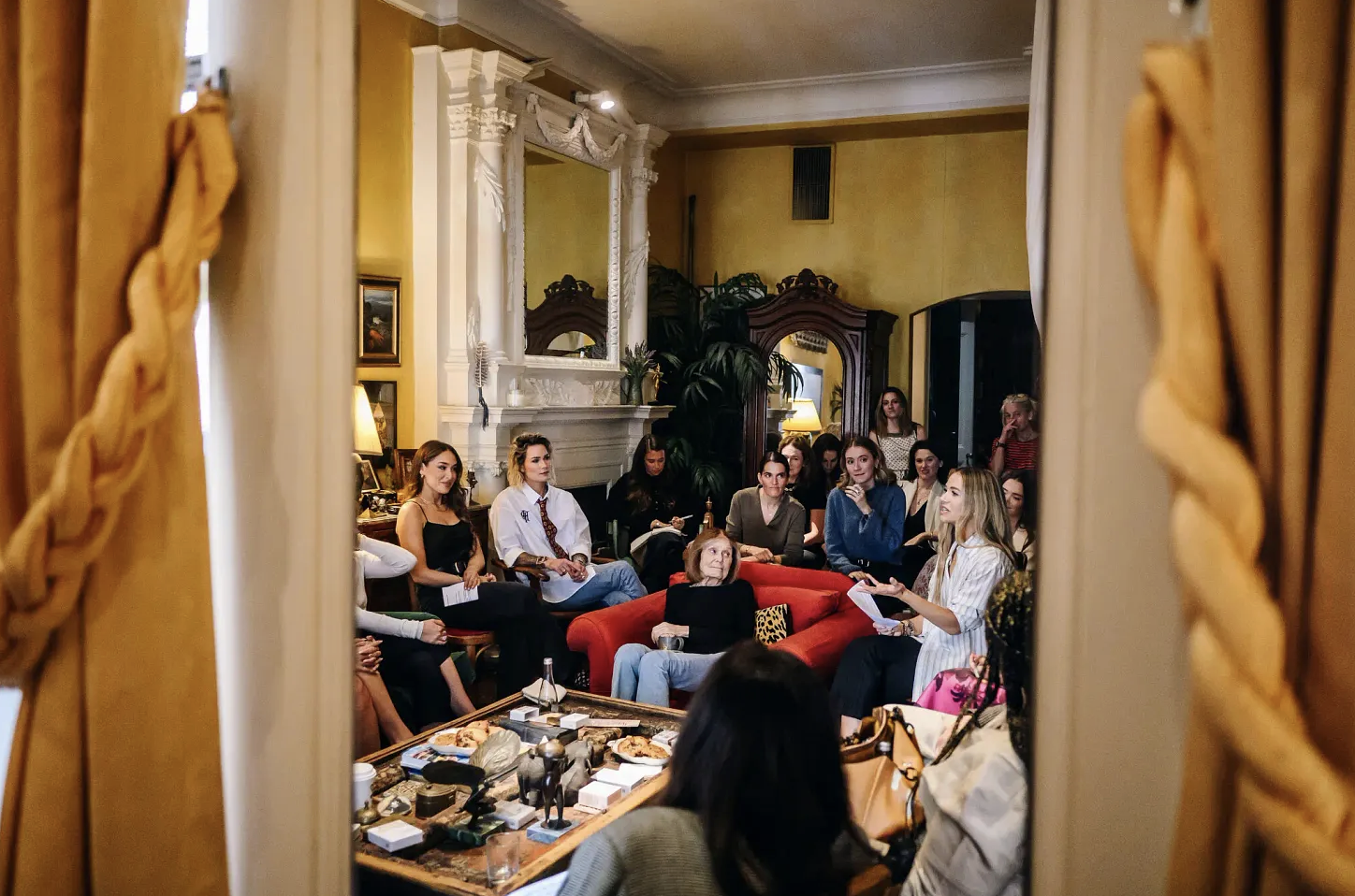
“The source of every social justice movement is people sitting in circles saying the unsayable thing and discovering that it's happened to other people and if you come together, you can change it.”
Decades later, she described her life as an “itinerant feminist organizer,” as a sort of a Western version of walking from village to village. Not particularly surprised by how the rest of her life unfolded.
Gloria’s work stretched from journalism in the early 60s through the women’s liberation movement, the founding of Ms., political organizing, books, speeches, campaigns and decades of showing up for causes well beyond whatever directly affected Gloria Steinem herself. She was still publicly engaged well into her 90s.
A life organized around an obligation beyond oneself.
Public discomfort over private ease.
And that, there, is something I’ll never stop getting the goose-ies thinking about.
Caring about the world doesn’t require becoming the “least fun person at dinner” (something I could definitely get better about haha). Gloria proved quite the opposite actually.
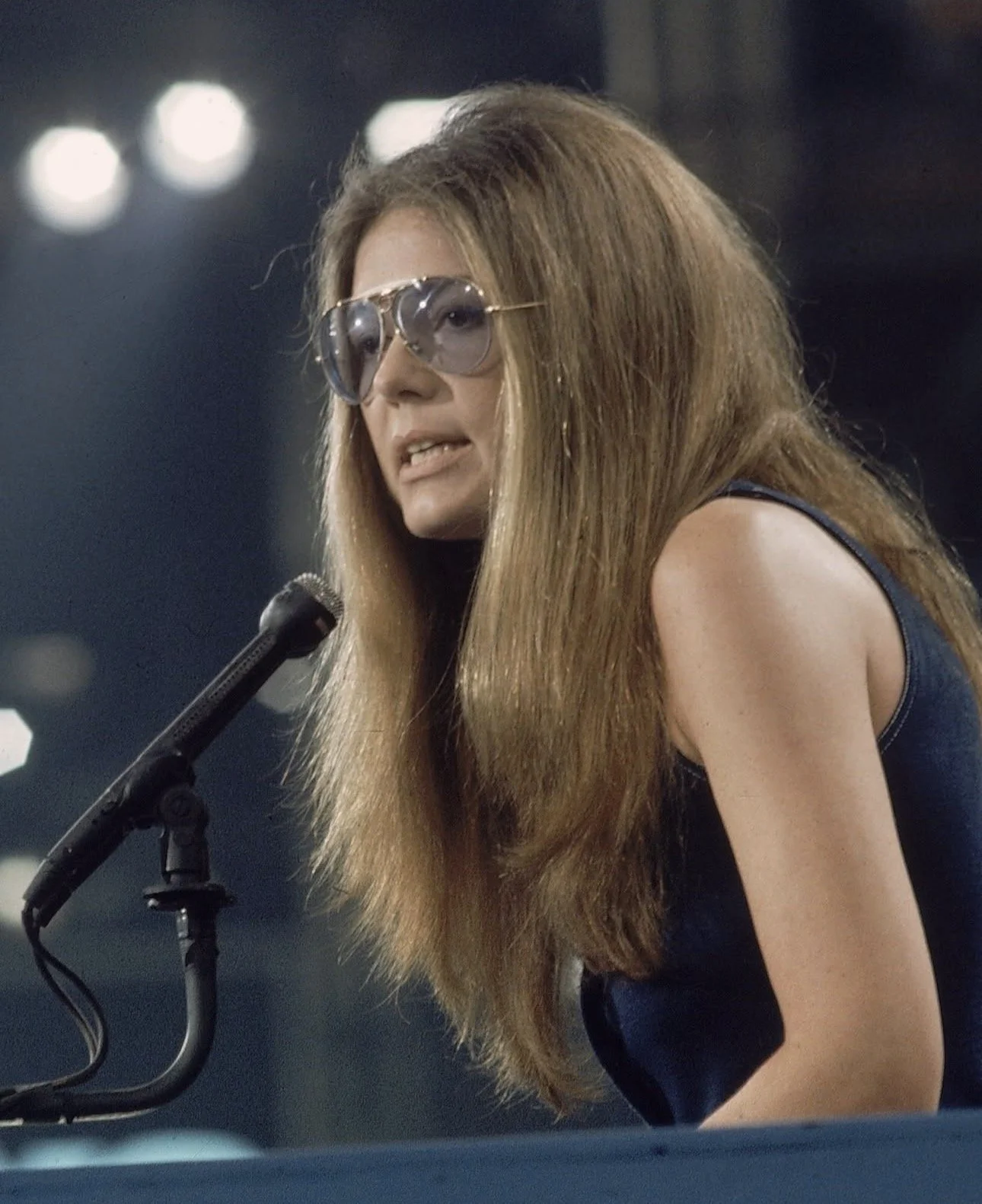
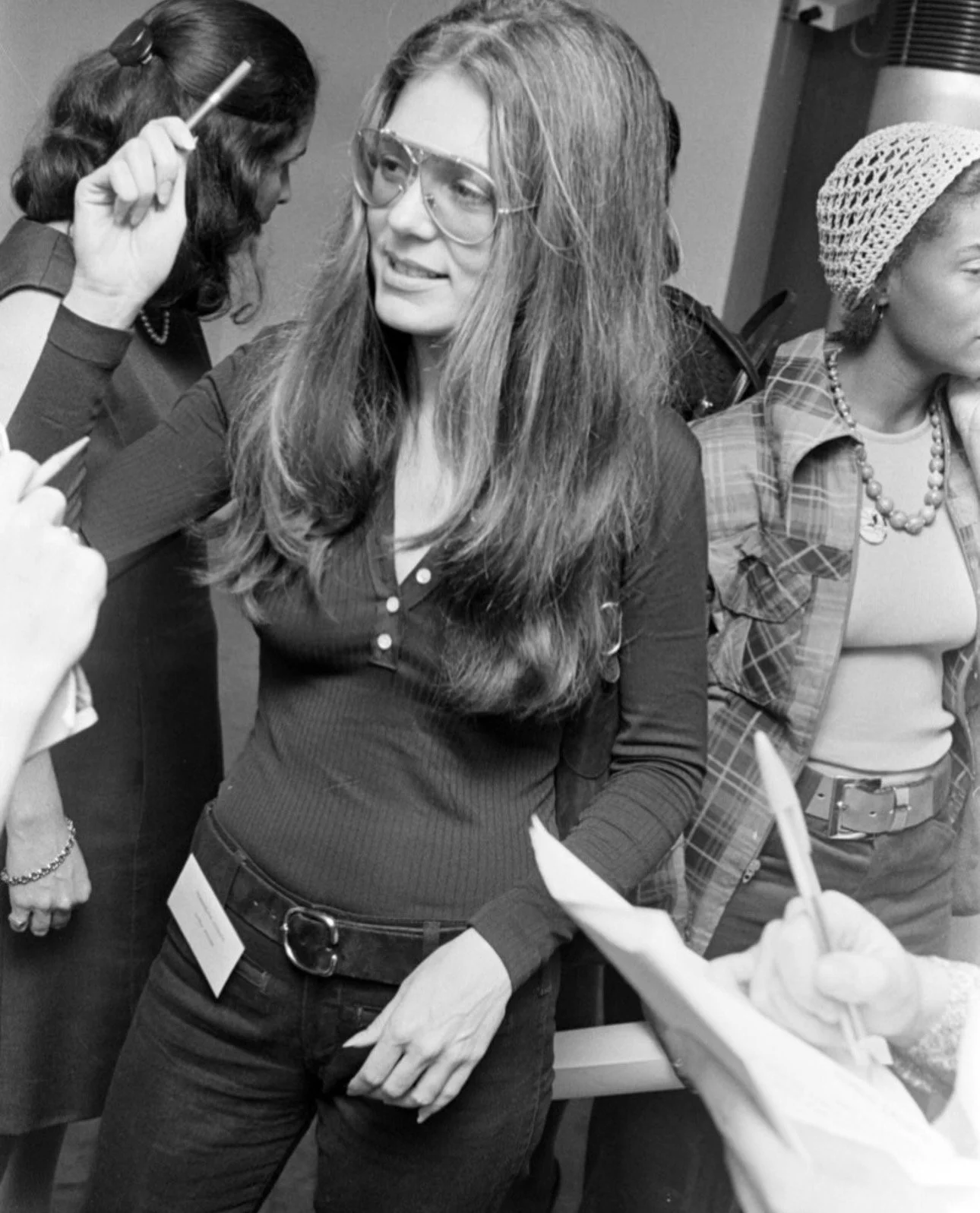
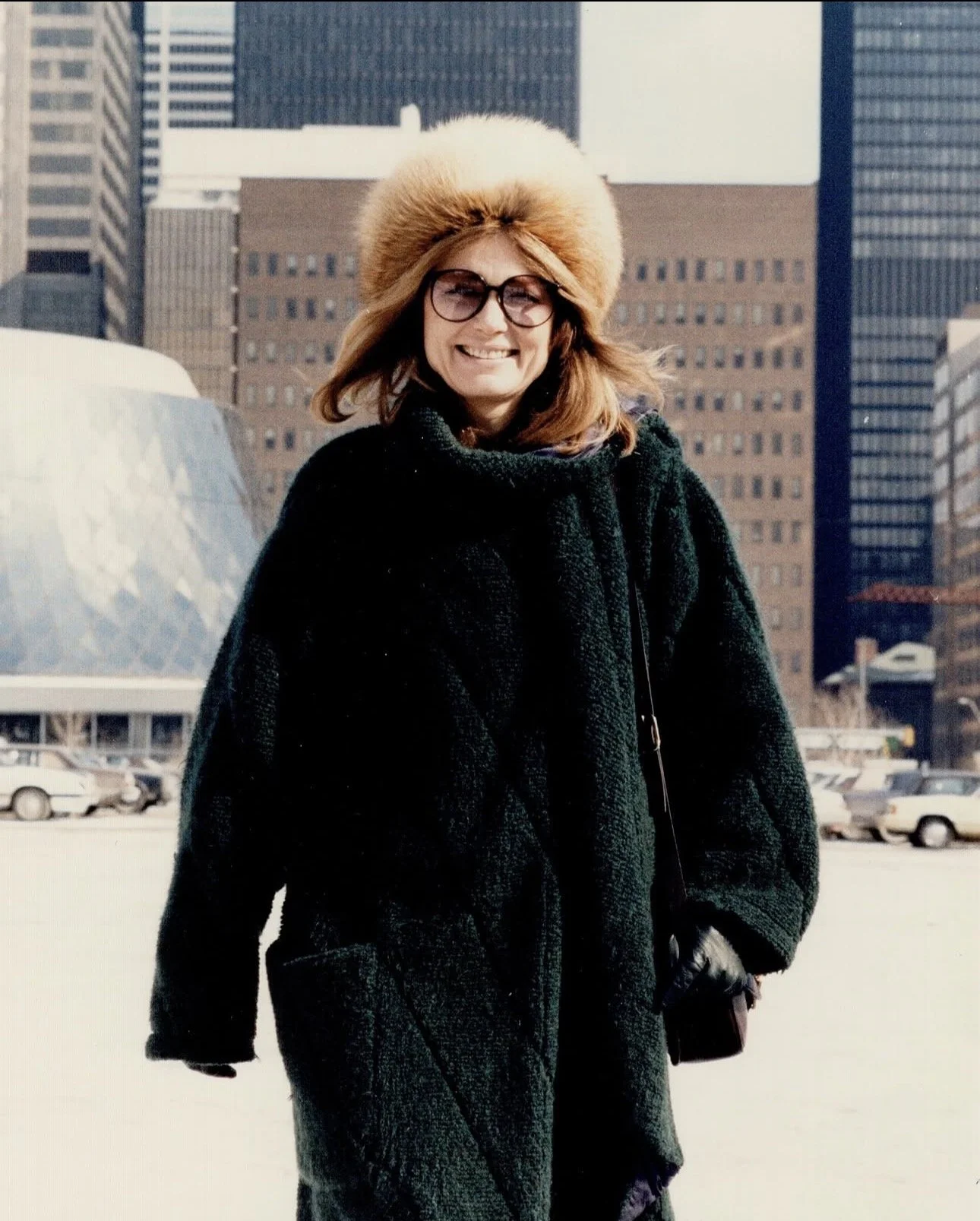
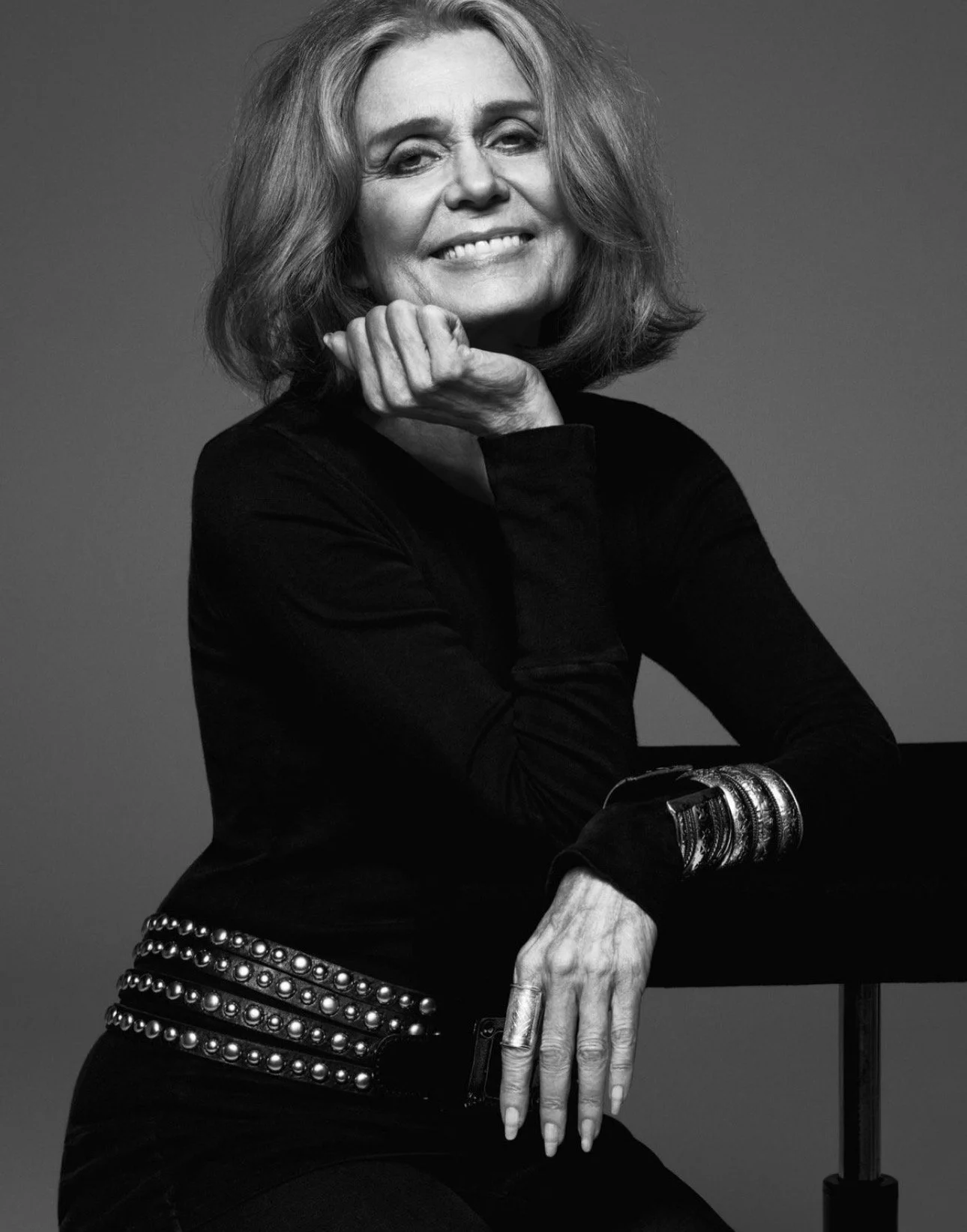
She was funny. She was iconic and stylish. Famously in her cute aviators, which she once explained were really just something she had to wear because she was very nearsighted. Gloria loved jewelry; she traveled constantly; she spoke so much about simply loving being around people, learning and listening to them, sharing stories, sitting in circles and eating meals while talking and living an actual life.
Yet running through all of it was: a relentless sense that being alive, around other human beings, comes with some responsibility for what happens to all of those existing alongside us.
I love this about her.
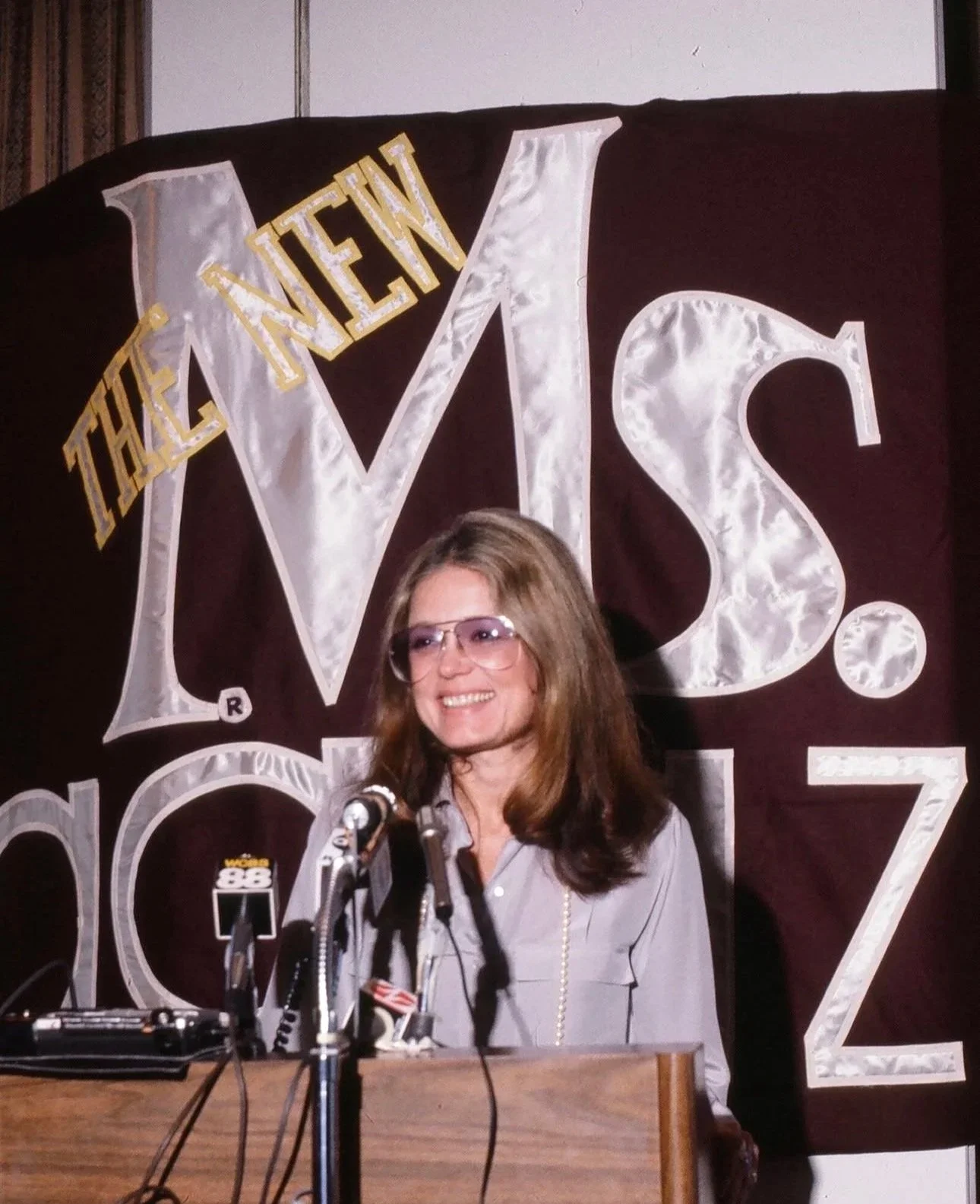
“Of course.”
I’ve come to believe that there’s this thing that happens when a “social movement,” (or whatever you want to call it), succeeds.
Whatever the movement, some version of this seems to happen: eventually, we humans forget that the ‘thing’ progress finally “changes” was once considered radical. Dangerous. And I think something very important is lost when we forget how radical things once were.
Once a demand, now just theexpectation.
Then, over time, that expectation settles quietly into what people experience as simply: ordinary life.
Enough time passes, babies become little kids and little kids become adults, you and I, who can easily look around at the world we inherited and say things like, “well, of course.”
I came into the world in the ’90s (shout out chris & susie q).
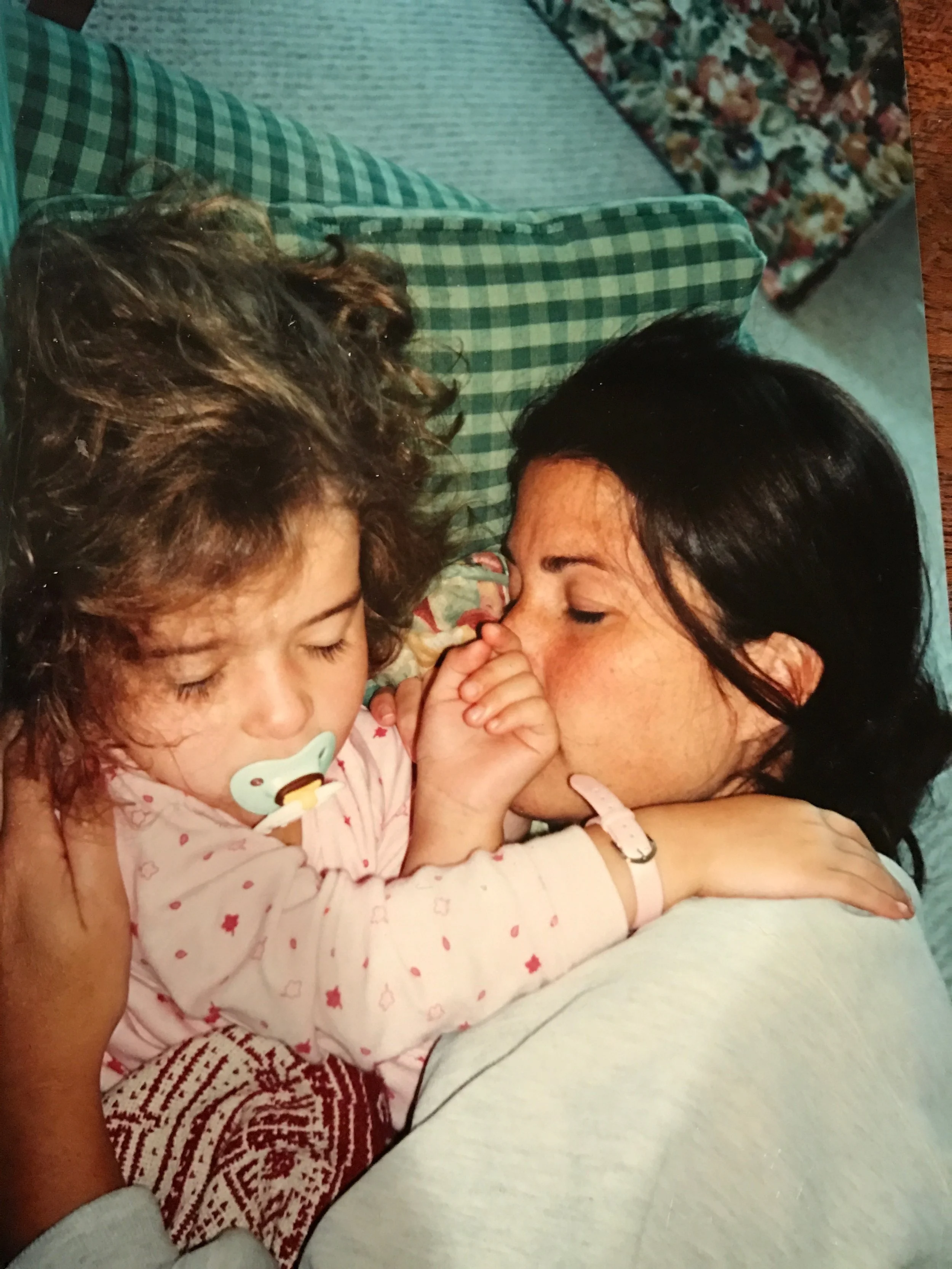
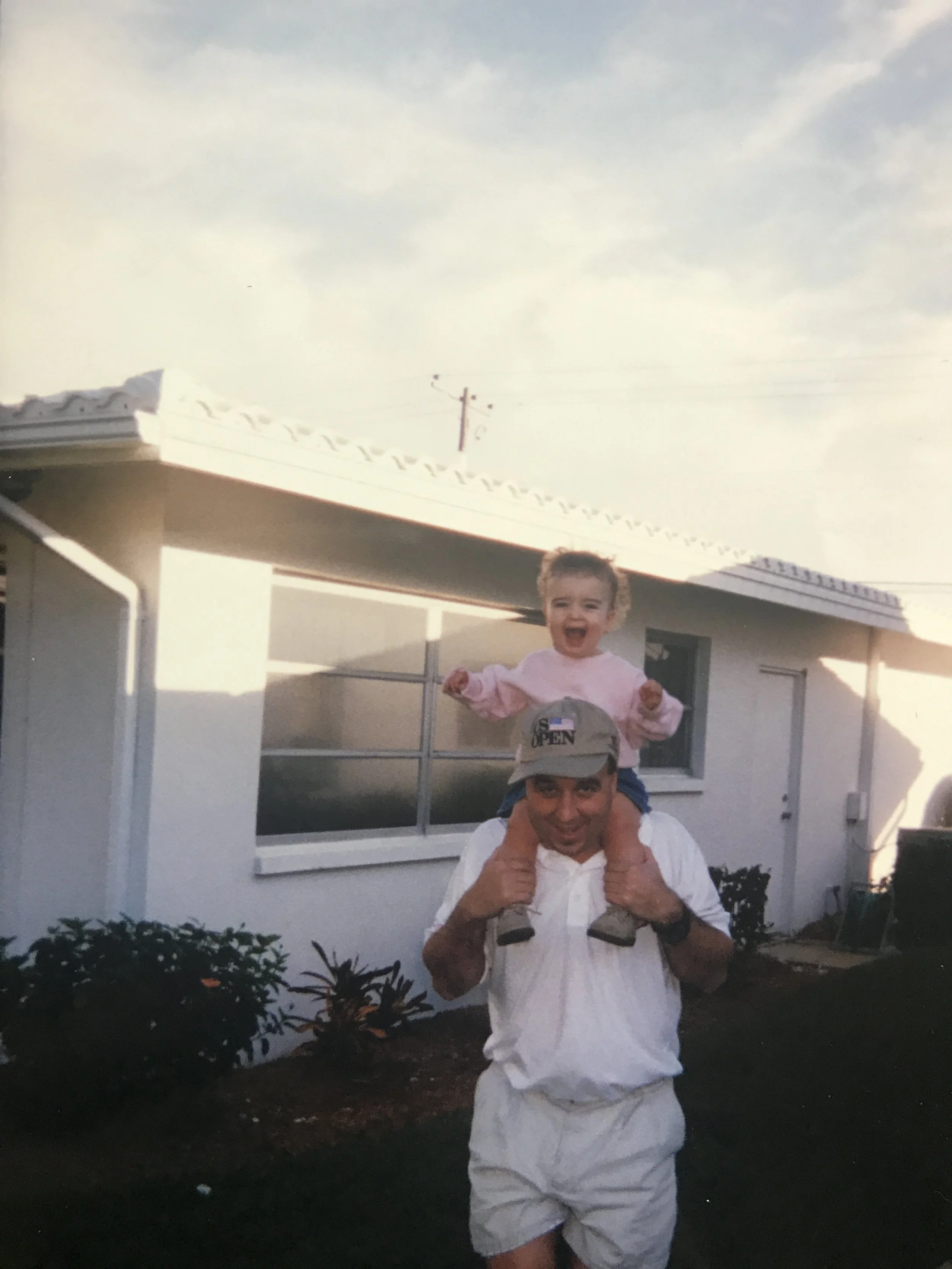
And “of course” girls can be doctors.
Of course women can have careers.
Of course my mom herself can run a successful business for decades on Naperville’s Main Street
Of course I can have political opinions of my own.
Of course I can be excited for my wedding day and still expect to have an identity completely independent of a husband.
Of course I can be ambitious. As ambitious as I’d like to be, in fact.
Of course the adult version of me can earn money, buy property, build a business, decide what kind of family I want, speak publicly about things I care about and expect to be regarded as a complete adult human being (rather than somebody whose legal, economic and social identity needed to be routed through a man).
Even the word Ms. is ordinary to us.
Today, “Ms.” is a boring little box on a form that tells us absolutely nothing about whether a woman is married. And that, qt pies, is precisely the point.
The term existed long before Gloria, too. Sheila Michaels, a civil rights activist, spent years trying to pull it into common usage because she wanted a title for women that functioned the way “Mr.” already did for men.
“Mr.” identified you without making your marital status everybody else’s business.
Gloria heard about Michaels and the term in 1969, and when the women creating a new feminist magazine needed a name a few years later, Ms. became it.
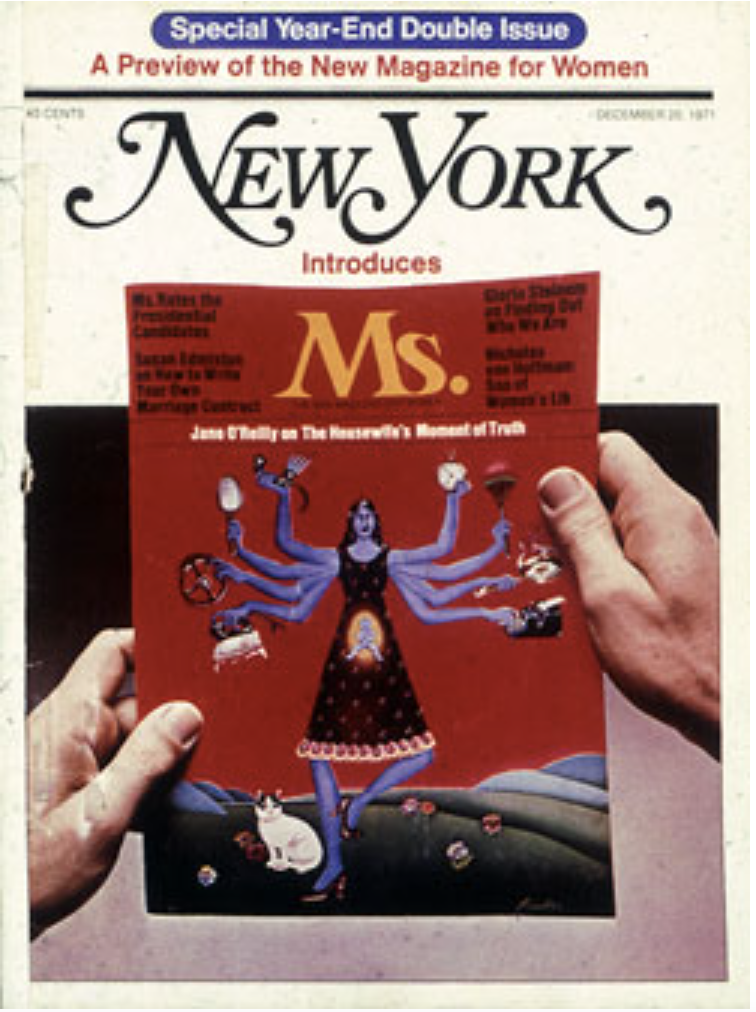
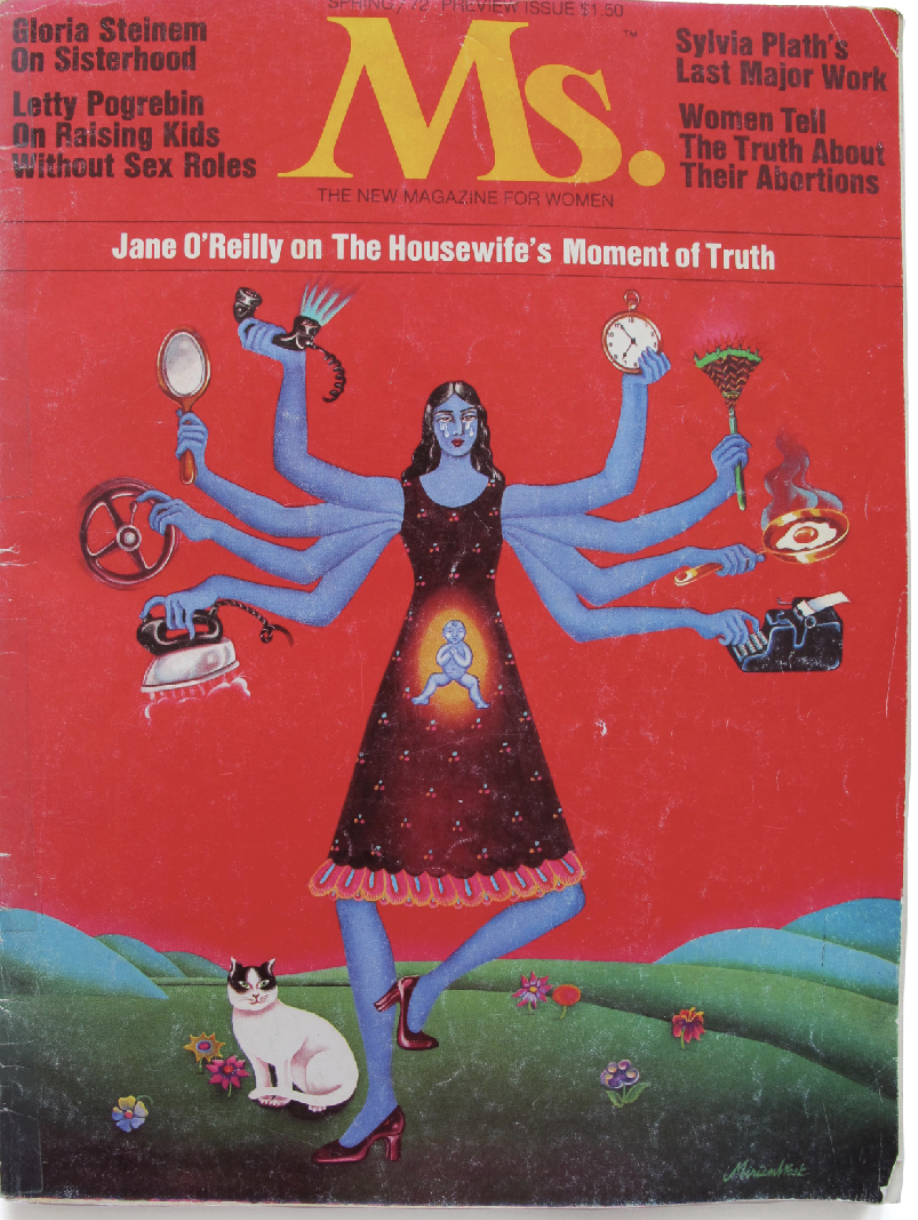
The preview appeared inside New York magazine in December 1971.
The first regular standalone issue followed in 1972.
At the time, people genuinely stumbled over how to pronounce the name. “M-S.” “Meez.” “Muuz.” Lol.
This tiny little honorific that now barely warrants a conscious thought was literally contentious enough that, believe it or not, The New York Times refused to adopt for years. So Gloria Steinem, editor of Ms. magazine, remained in the newspaper’s pages as “Miss Steinem of Ms. magazine.”
I mean, you just can’t make this shit up. Then, in 1986, 14 years after the magazine’s launch,The Times finally adopted “Ms.”
The women of the magazine sent the editor, Abe Rosenthal, flowers when he finally gave in. Gloria later remembered his response being essentially that if “he’d understood it mattered that much, he would’ve done it sooner.”
Lol. Oh Abe. That was perhaps what all the letters and picketing were trying to communicate buddy.
Now I’m sure it’s something we barely notice today. That alone kind of fascinates me.
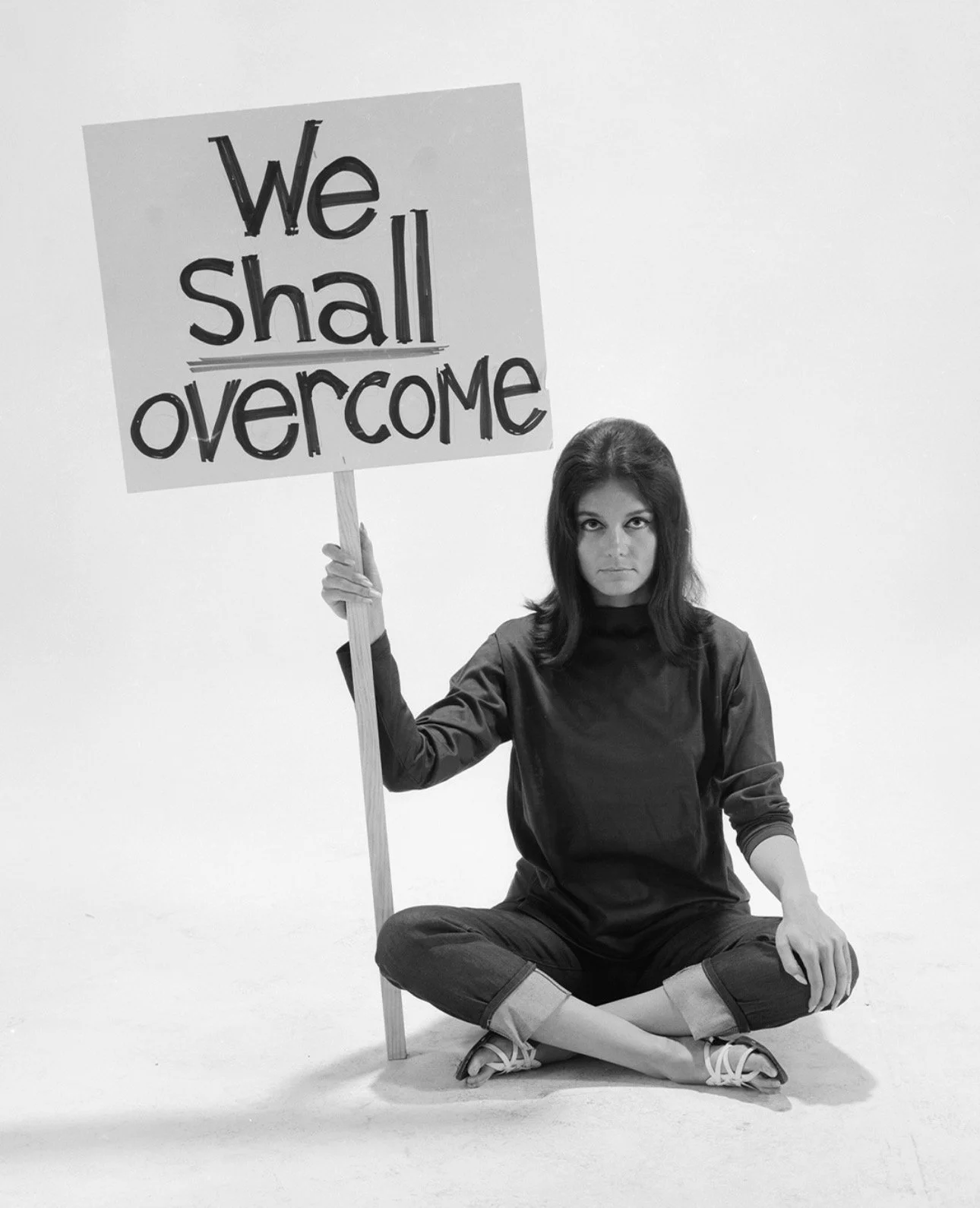
Back in May of 1970, Gloria sat before the U.S. Senate during hearings on the Equal Rights Amendment and described what 12 years of working as a woman in America had actually looked like for her. And no, she didn’t give a rat’s ass about making the truth more palatable or less “political.”
She told them she had been turned away from apartment rentals for being a woman. Refused service in restaurants. Ordered out of public gathering places. Excluded from professional groups. Denied writing assignments on so-called “unfeminine” subjects such as politics.
Politics, apparently, belonged to the boys.
What bothered her most? She told the committee:
living in a society where women were not encouraged or even allowed to merely think of themselves as “first-class citizens and responsible human beings.”
1970, guys. 1970…. This wasn’t the dark ages. Think about how many people walking around right now were alive in the 70’s. Think about your parents and grandparents. Very little time separates: a woman being told politics was too unfeminine a subject for her to write about & me, sitting on my couch, typing whatever the hell I want about the orange man and his destruction of American values today. It just makes me realize how much historical labor can hide inside two little words.
“Of course.”
Of course nobody should deny me an apartment today because I am a woman. Except somebody had to make that obvious.
Others’ fight happened before I arrived.
And maybe one of the greatest “successes” of a social movement is that the generation afterward can become almost embarrassingly oblivious to how unnatural its victories once seemed.
This line of thinking does, admittedly, trigger the living hell out of me in today’s world (I won’t go all the way there today).
Continuing to make herself inconvenient.
There are lots of beautiful words being written about Gloria today, and they are all, devastatingly, deserved.
Icon. Pioneer. Trailblazer. Legendary. Fearless.
I just keep reaching for something this morning, but arriving somewhere considerably “less polished.”
The woman would not shut up.
And I mean that with enormous admiration.
She said things even if they were still contentious.
She said things despite knowing they’d piss off some very comfortable Jim, Joe or Chad somewhere.
Gloria gave language to things people & institutions very much preferred to leave unnamed and therefore conveniently untouched.
“The truth will set you free, but first it will piss you off.”
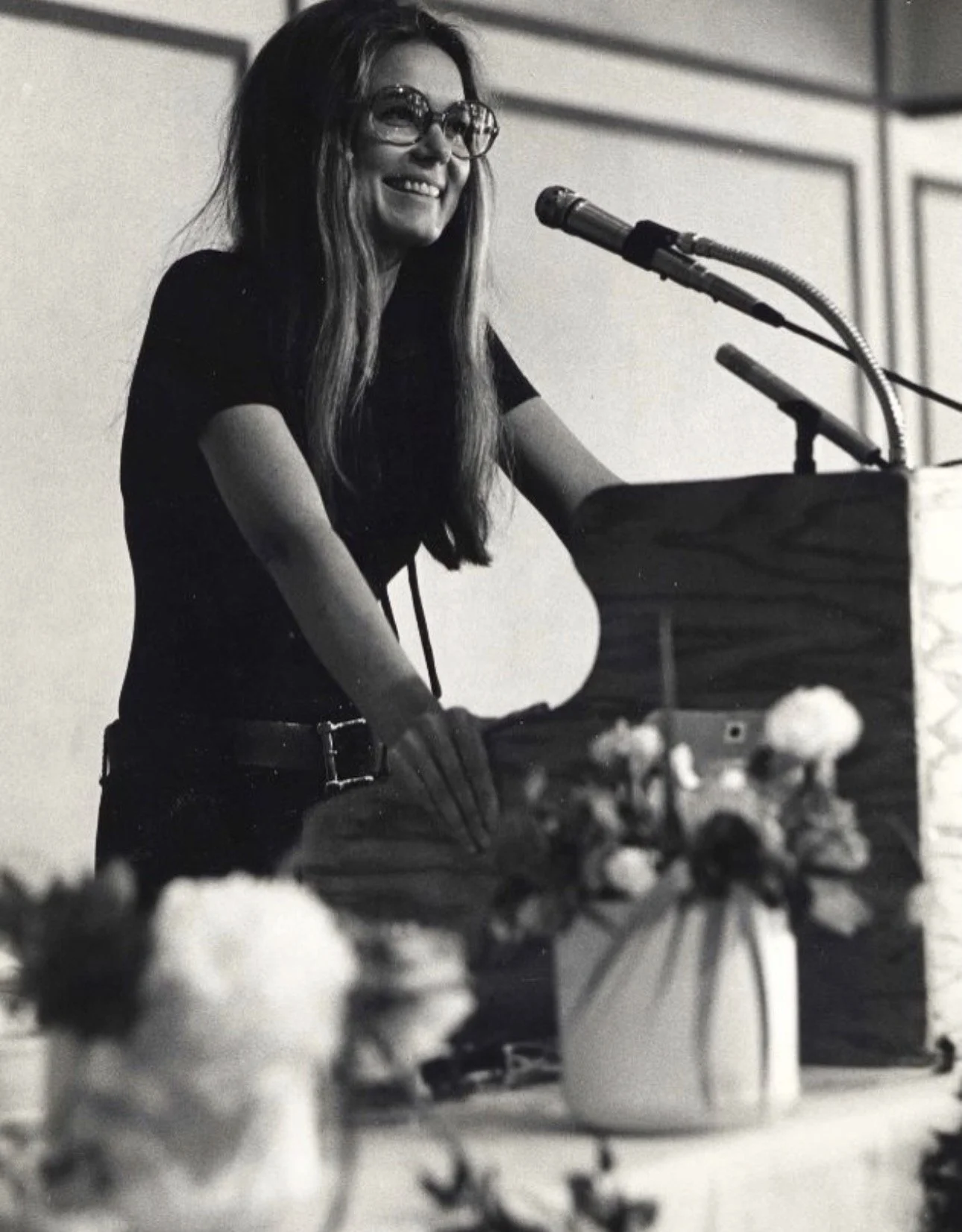
After listening to many tributes to Gloria this morning, one of my favorite things I learned more about is that before she became one of the more recognizable public speakers, she herself was terrified of speaking alone.
Enter Dorothy Pitman Hughes.
Dorothy was already a formidable community organizer when Gloria met her in the late 1960s.
Dorothy created the West 80th Street Community Childcare Center in Manhattan, a place that offered childcare but had grown into much more than daycare. Families could find job training, housing help, advocacy, community resources and a place to organize.
Back then, Gloria, still working as a journalist for New York, went there to write about Dorothy and the center one day. They quickly became friends, then speaking partners, then lifelong friends. Dorothy, a former nightclub singer, was apparently completely at home onstage. Gloria was very much not haha. Yet Dorothy pulled her up there.
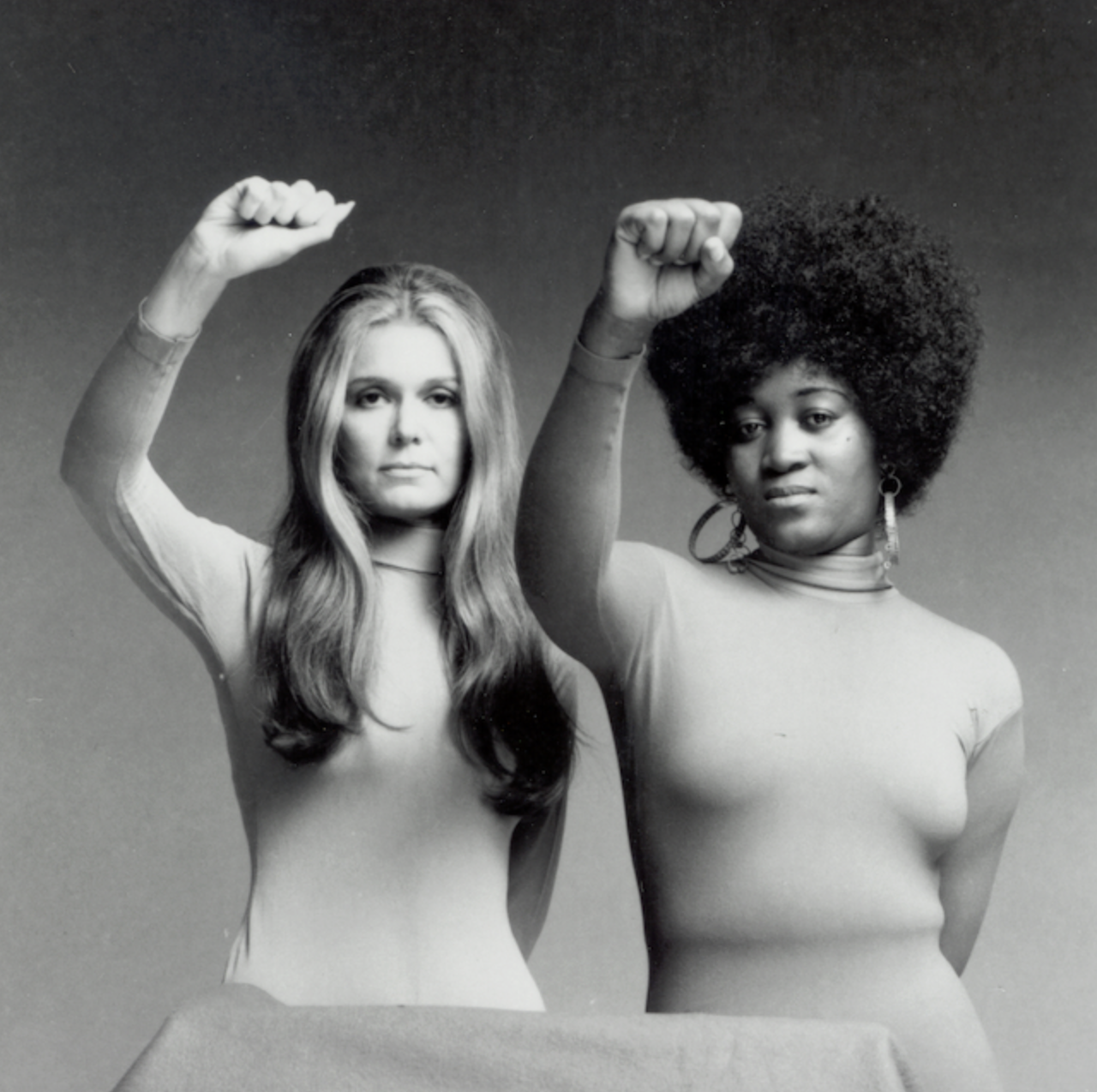
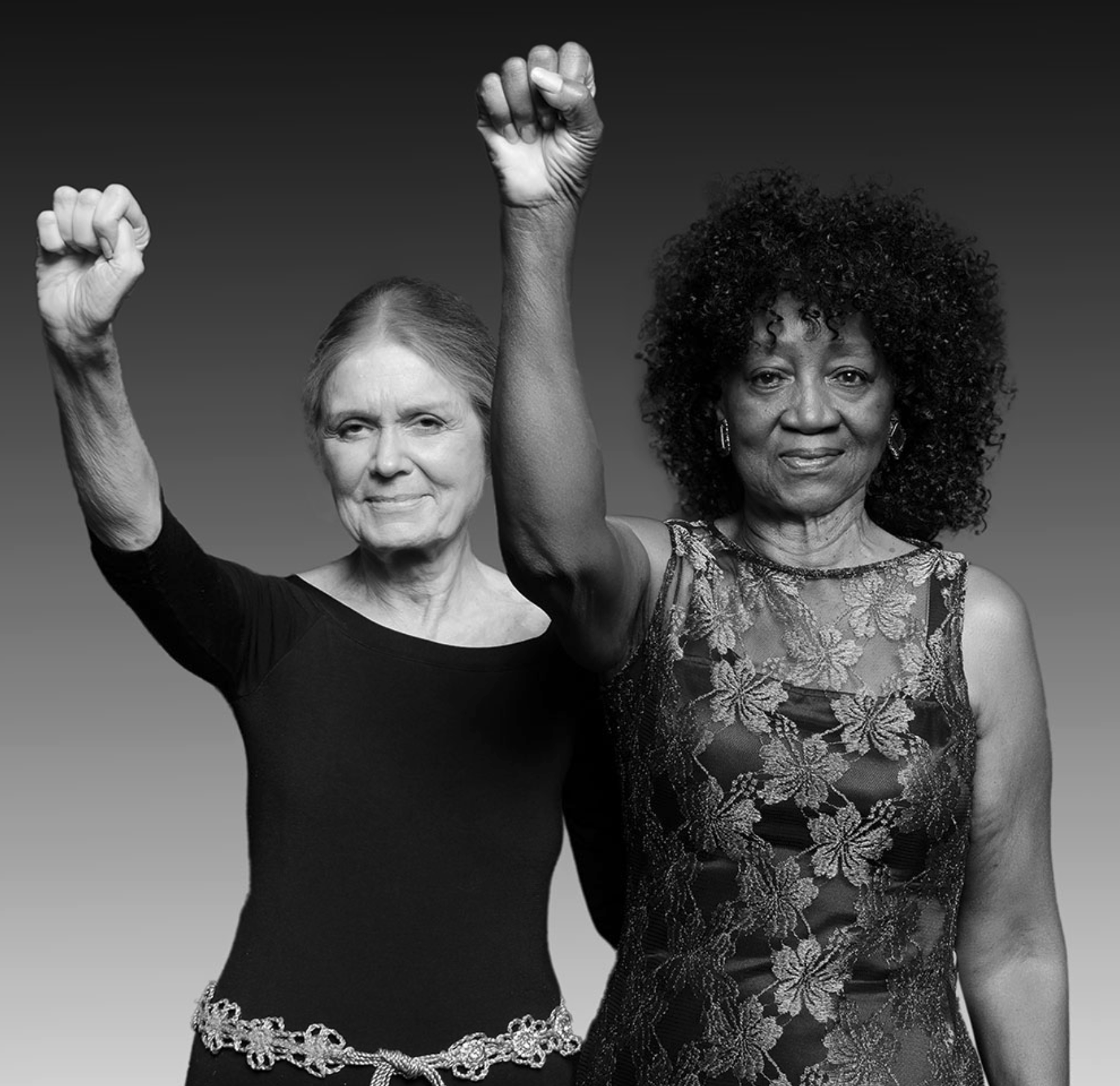
From the late ’60s into the ’70s, they traveled around the country speaking at colleges, community centers and union halls, together.
Gloria would later credit Dorothy with helping her find her footing in front of crowds.
She talked about how speaking beside Dorothy and other women expanded both the audiences they could reach but also their own understanding of what they were saying themselves. Is that not such a beautiful reflection? Ugh.
So deeply human: the Gloria Steinem we now picture commanding a stage once needing another woman to help get her onto one.
The vulnerability. The willingness to learn. The lack of pretending that because she was brilliant, she must naturally be brilliant at everything.
Gloria never made it seem that the women’s movement was created or progressed by herself. She refused to hear that from anyone else, too. There were women before her, beside her, challenging her.
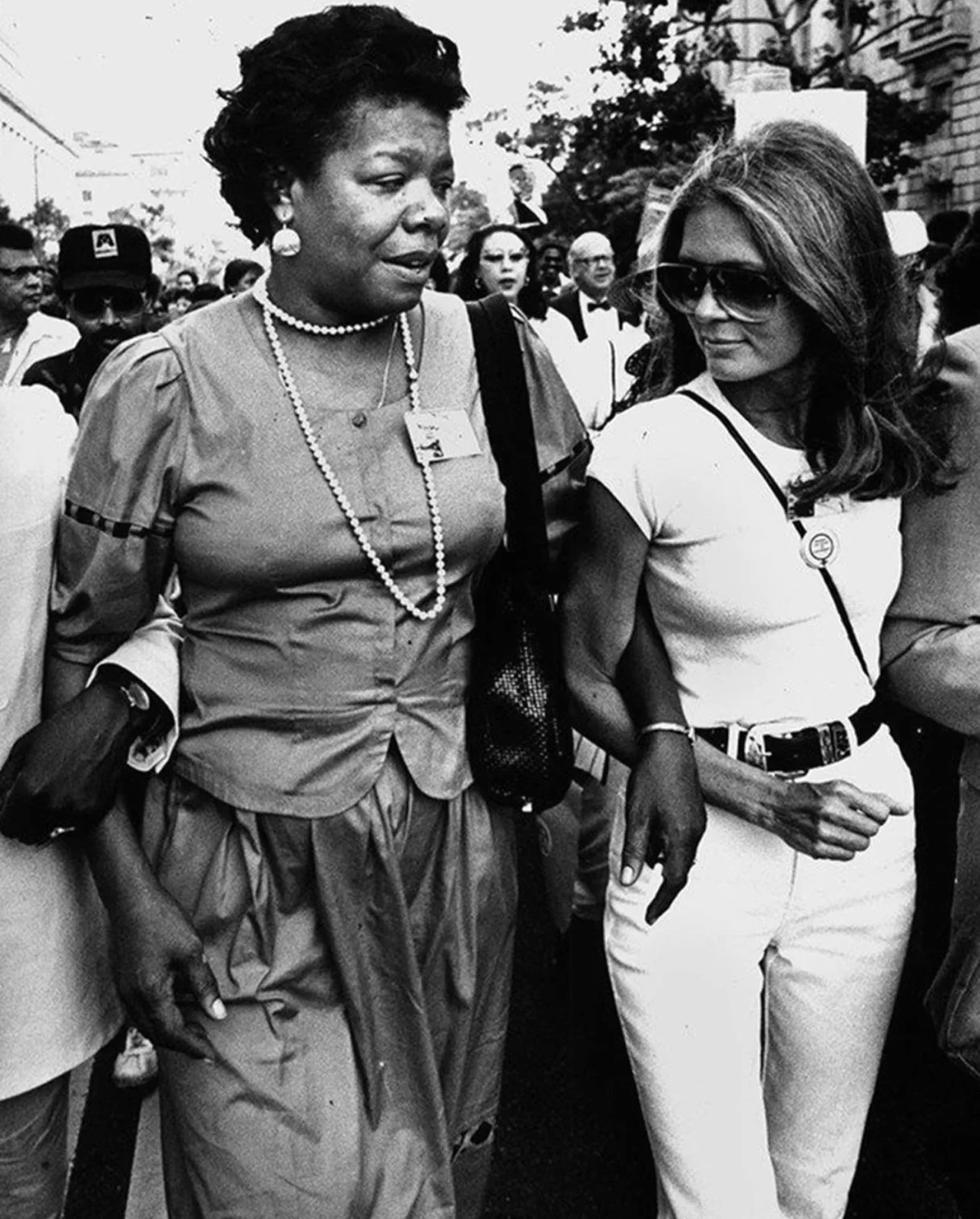
She noted frequently that it’s black women who were organizing across race and sex long before the standard American history lesson arrives at Seneca Falls, something Gloria herself was still calling attention to half a century later.
Dorothy, an absolute badass, directly challenged racism inside the white women’s movement while simultaneously standing beside Gloria as her friend and partner.
History gets so much bigger when we commit to actually learning more of it, every step forward. And one of the things I deeply admire about Gloria is that her understanding of feminism never seemed frozen at whatever age she became “famous.”
Gloria always wanted to keep listening. She seemed to genuinely enjoy the process of continuing to be influenced by others.
She kept inviting women with profoundly different experiences from her own to add something to her understanding of the world.
Learning did not make Gloria timid. And that distinction should matter a lot to all of us.
When Ms. was preparing to exist as an actual magazine back in the early 70’s, the women involved in creating it were supposedly very worried that the magazine would fail so publicly that the failure itself would embarrass and consequently hurt the women’s movement. So much so that the December 1971 “preview issue” was deliberately cover-dated “Spring 1972.” This is because they wanted the issue to be able to sit on newsstands for months, even if nobody bought it.
Gloria later joked that they feared it would “lie like a lox.” Lol.
It sold out in less than a week.
And I just love this story.
In retrospect, obviously Ms. was going to become Ms. Magazine.
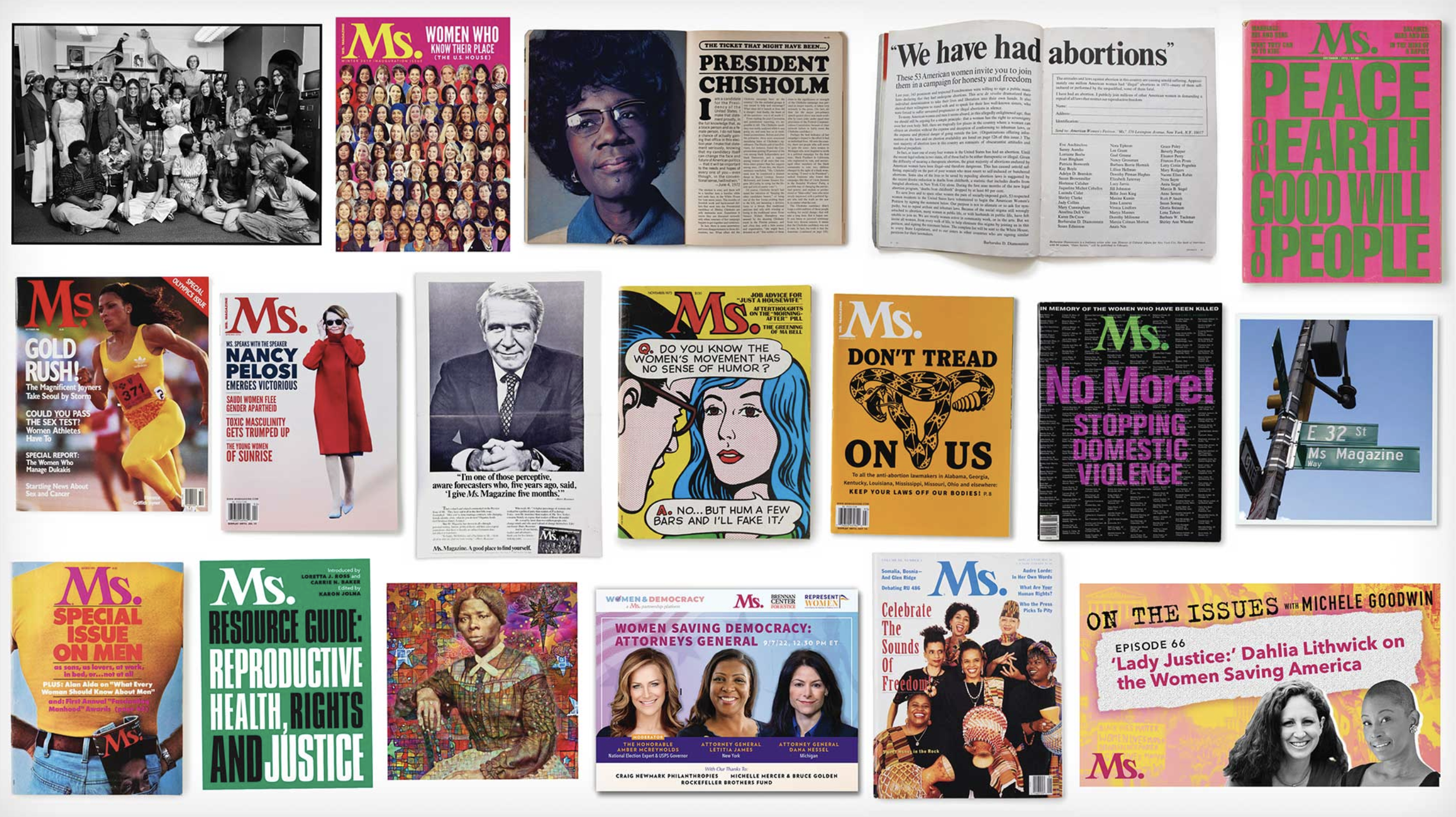
At least that feels obvious to me now.
But I love the part of this story: they, themselves, did not know, and still the women putting that first issue together believed ‘something’ should exist.
So they kept going anyway, before they had any ounce of a guarantee that the rest of the country was ready to meet them there.
Today we know how the story ends. Gloria and the women sitting around those early editorial meetings did not.
There’s one thing Gloria said years ago that I came across again this morning. She was asked where her “interest in politics came from.”
Gloria’s answer took her back to being a little girl and listening to her mother talk about the Depression.
Her mother would tell her stories about Franklin and Eleanor Roosevelt, two people born into wealth who nevertheless understood, as Gloria remembered it, “that people wanted dignity and independence,” and that “government policy could either help create the conditions for those things, or leave people without them.”
Gloria said those stories taught her that:
“politics is an essential part of daily life, and not separate from it.”
I think this may be one of the reasons Gloria’s brain has always felt a little compass-like to mine; why I subscribed so innately to all the things Gloria stood for.
I’ve never been particularly good at accepting the status quo, of anything.
The moment I become aware of an injustice or some glaring inadequacy in the systems we humans have built, or even just a way that society has decided something “broken” is somehow acceptable, I have a very hard time leaving it alone (in reality, I don’t let anything ‘just be’ haha).
My brain immediately wants to understand it, name it and, if there’s anything to be done about it, address it head-on. Even if that means saying some uncomfy words.
I’ve never submitted particularly well to this sort of “filing system” society seems to have created for the very short blip of life we all get on this planet, where politics belongs over there, home belongs over here, somebody else’s suffering gets filed under “not my problem,” and we’re apparently supposed to move along accordingly.
None of these things actually stay in some assigned, separated drawer. They never have; they never will.
And if you think that they do, well, let’s chat qt pie.
But this is one of the enormous insights the women’s movement helped drag into mainstream American life.
Things dismissed for generations as merely the “private mechanics of being a woman” were also places where power lived.
Who does most of the unpaid work at home changes whose career has room to stretch outward.
Who controls the family’s money affects who can afford to leave it. Point blank.
Whether meaningful childcare exists changes whose labor is possible outside the home.
Whether violence behind a front door is dismissed as some private family matter determines whether the person experiencing it has meaningful protection.
Whether we believe a woman’s account of what happened to her determines an awful lot more than whether we consider ourselves polite.
The personal was never sealed off from the political drawer. We just became stupidly comfortable pretending power dynamics is nobody else’s business the second we cross a threshold of someone’s home.
Speaking of homes, Gloria bought her famous brownstone on New York’s Upper East Side in 1968.
She lived there for the rest of her life. How cool.
By 90, Gloria was starting to think a lot about what should happen to this home when she was no longer here. Her living room notoriously spent decades hosting meetings because organizers constantly needed something surprisingly difficult to find: somewhere quiet, private and free to gather. (boy I would’ve loved to have been a part of any of those meetings, haha.)
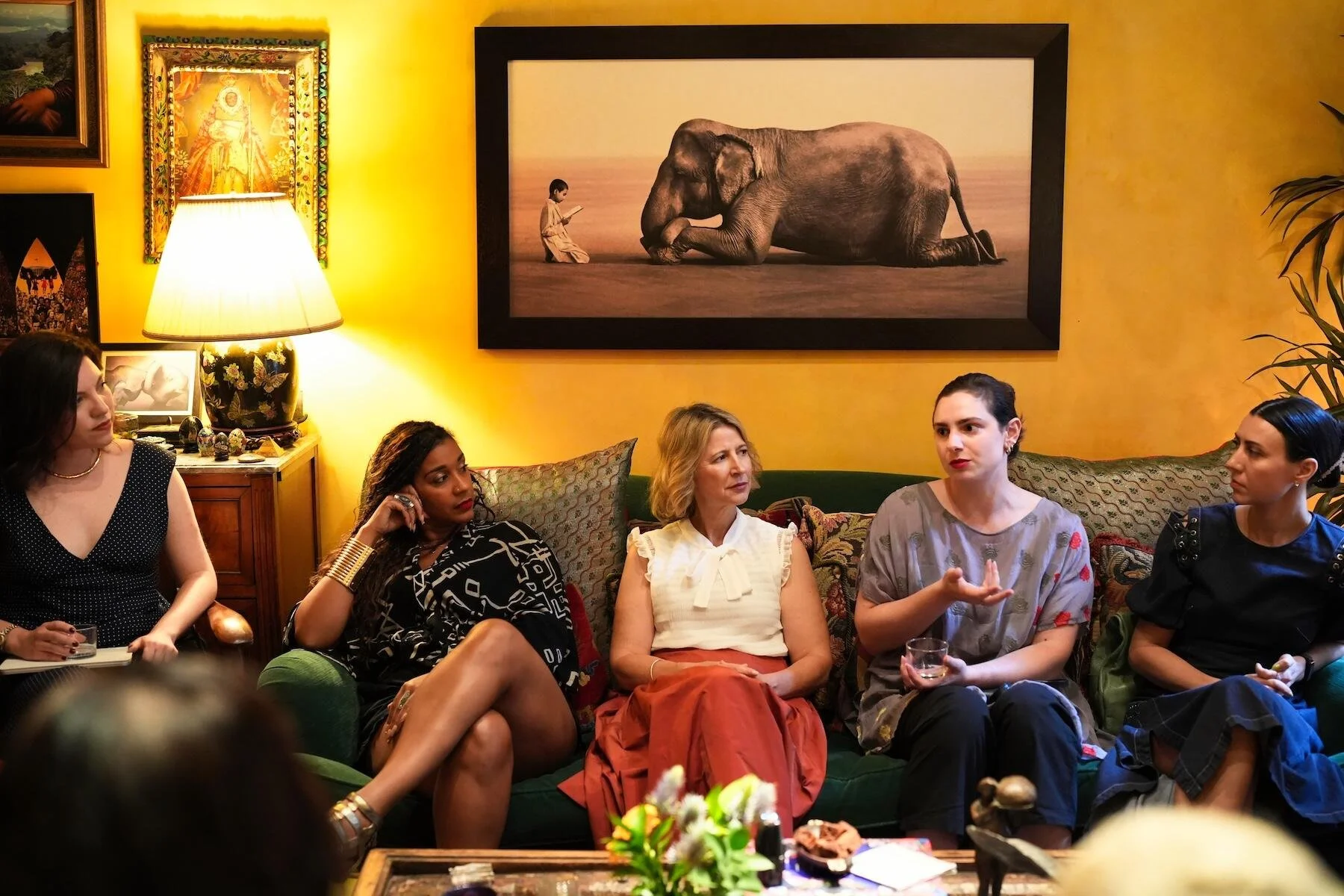
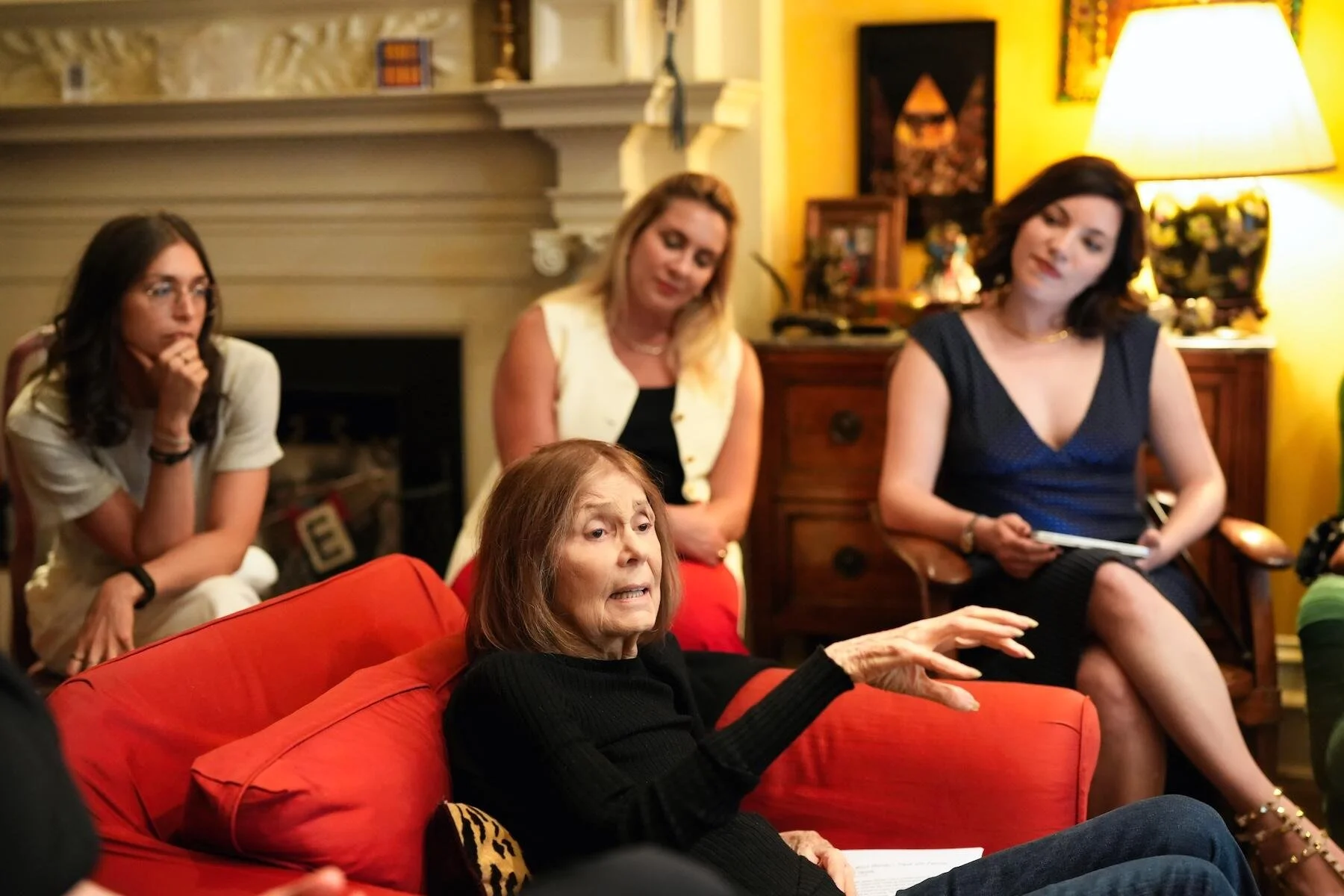
Gloria wanted her home preserved in a way that allowed this very purpose she leaned into, to continue on. Her hope was that every city might eventually have at least one place where people could simply meet without having to pay for the privilege.
A community’s living room. (yes, I have goos-ies).
A woman spends a lifetime arguing that the things happening inside our homes are connected to the much larger systems of power; then she uses her own individual living room as infrastructure for people trying to change them.
Sometimes history really do be like that.
History does seems to have terrible manners.
The uncomfortable part of “of course,” to me, is that it suggests permanence. Meaning, I think once something becomes obvious enough to us, we start treating it like “it came with the earth.”
History seems to have terrible manners about that. Things don’t stay finished simply because we learned a chapter in school that offered up a beginning, middle and end. In 2020, 50 years after Gloria wrote an essay for Timeimagining what America might look like if women actually won equality, she went back and revisited what she had written.
The original alone is fascinating to read now. In 1970 she was imagining an America where women could freely access jobs, marriage functioned as a partnership between equal adults, men shared responsibility for children and women were no longer financially trapped by dependence. She imagined a world where gay people could marry with legal rights and inheritance protections.
Then, at 86, she reread her younger self and annotated what she had gotten right, what had changed and what she now understood differently. In that reflection she wrote one line that haunts me:
“The time of greatest danger comes after a victory.”
Well here we are, that’s for sure. (I promise I won’t make this another piece where I vent about Roe or the other qualms I have today. God knows Gloria spent enough of her own life insisting bodily autonomy mattered without me reducing the breadth of her work today to a single issue).But yeah, we ARE living in a world that continues offering really fucked reminders about how forward progress ain’t ever coming with a warranty. When we look around the world today, we can see that women are still absurdly denied education, freedom of movement, economic independence and authority over their own bodies. Here at home in the United States, rights and protections can look remarkably different depending on where we live, income, identity and which political party happens to have power.
Things one generation experiences as “settled” can become another generation’s political emergency. We’re in some of that right now.
And this brings me to the idea of inheritance. If I inherited freedoms I didn’t personally have to win, what exactly did I inherit along with them? Surely not just the benefits.
Learning about Gloria, both years ago and over the course of my life since, changed something in me. Without question.
Gloria chose, again and again, public discomfort over private ease.
Because let’s be so for real, at some point she could’ve easily been a successful journalist and had a perfectly interesting, joy-filled life. She could’ve protected her access. Worried a bit more about being liked or digestible to the masses. She could have narrowed her concern to whatever injustices reached her own front door and, yes, stopped there. She could have decided at 40, or 62, or 85, that certainly she had done enough and somebody else should take it from here.
Instead, Gloria kept giving a shit.
Like there’s no better way I can phrase it. She kept giving a shit.
About people she didn’t know. About women whose lives looked nothing like hers. About arguments that made rooms immensely uncomfortable. About political outcomes she knew damn well she wouldn’t personally live long enough to see. About movements where she was famous and movements where she could simply be useful.
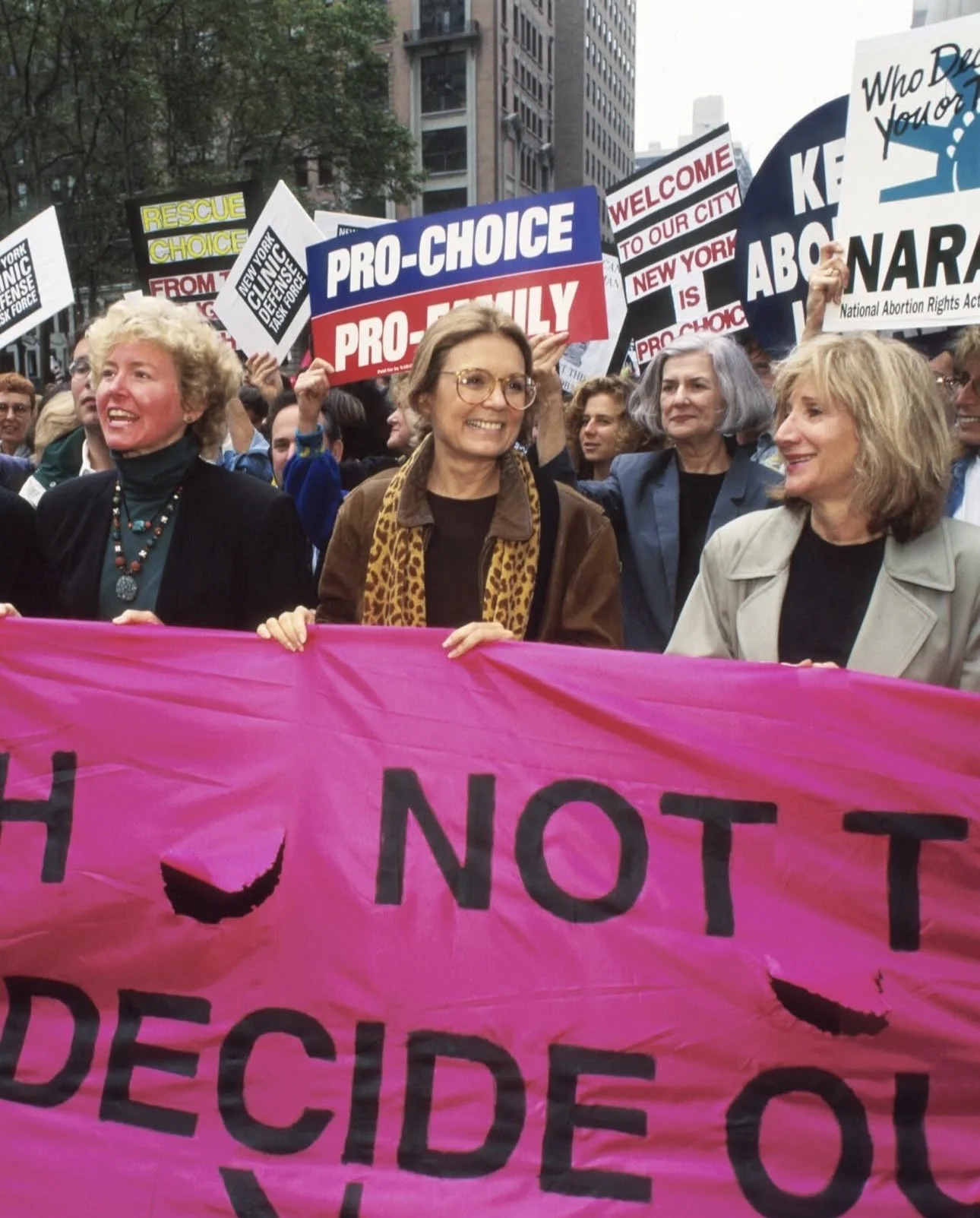
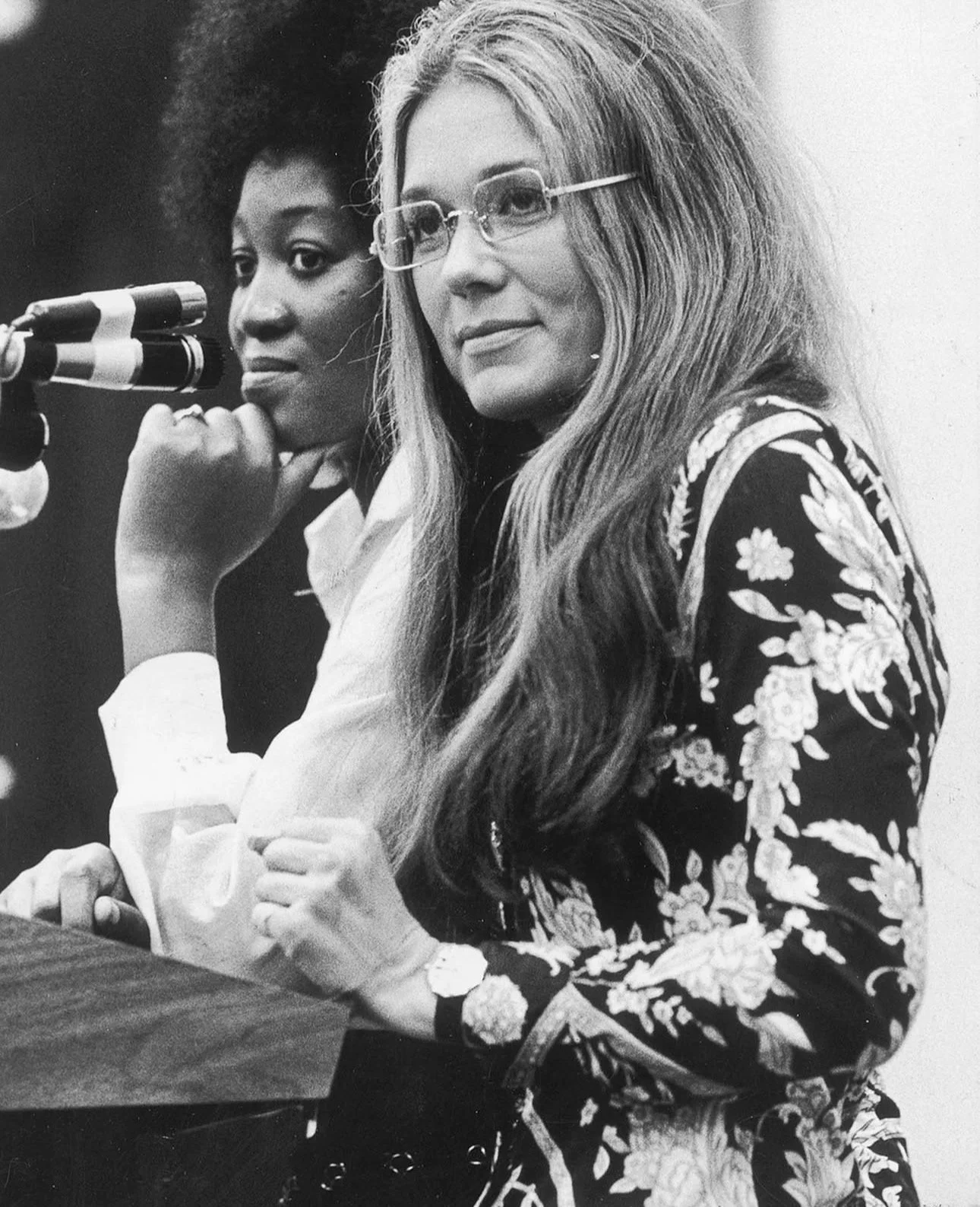
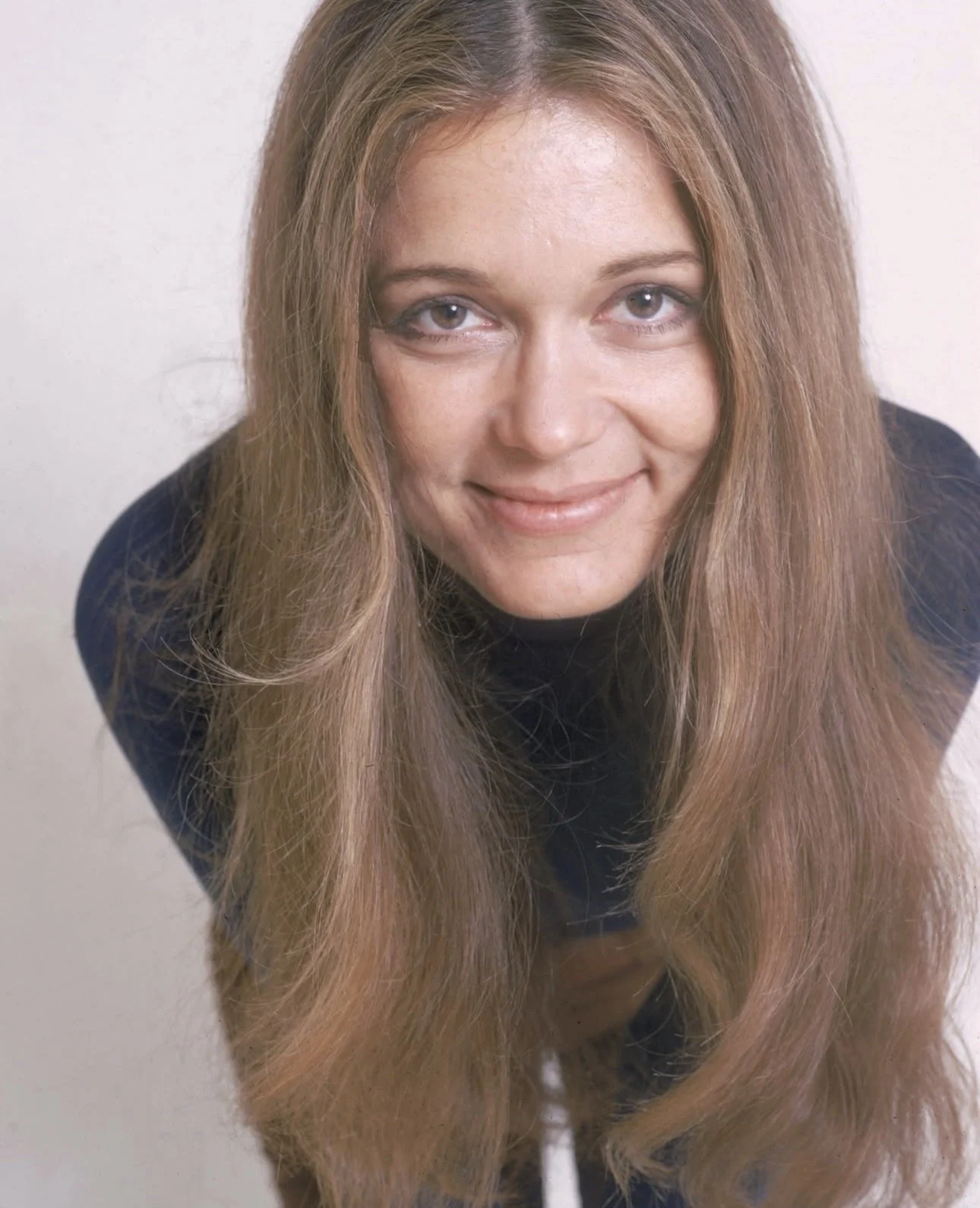
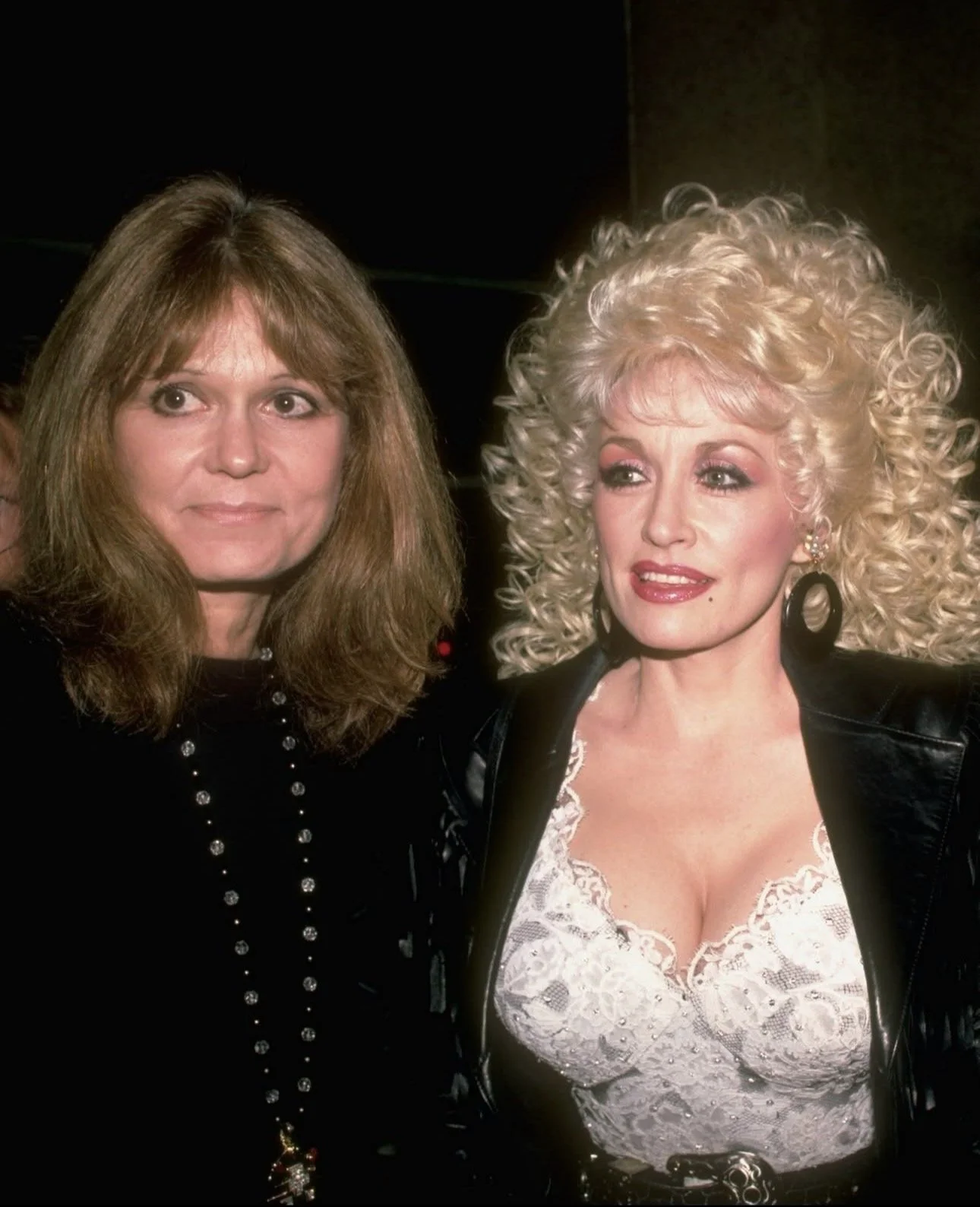
At 90 years old, when asked how she remained “hopeful,” she didn’t describe hope like some personality thing or positive-thinking exercise.
She called hope: practical.
Hope, to Gloria, was connected to the ability we have to imagine something different in the first place.Without it, we’ve already constrained what we think is possible to build.
Ugh. I’m just broken mourning you, Gloria. That’s a version of hope I really love. Inherently, it asks much more from us than pure optimism.
Today I’ve been thinking about the extraordinary privilege we’ve had to inherit someone else’s remarkable fight at a point where it’s already become mundane. To be annoyed by a workplace policy or an encounter with a colleague without having any way of knowing all of the women who fought like hell for the mere possibility that I get to have that workplace experience in the first place.
The many women who fought for my ability to sign a mortgage. To have my own money. To sit on my couch and write whatever the hell. To love the idea of marriage without needing marriage to supply my adult identity. To be a woman who’s always known “motherhood” is something I was put on this earth to truly thrive in experiencing, while knowing with the same certainty that it’ll always be one beautiful part of my life rather than the entire explanation for it.
To disagree loudly.
To change my mind.
To be complicated, in public.
Of course.
Of course.
Of course.
And no, Gloria Steinem didn’t personally hand all of those things to me. Or you. History is a hell of a lot bigger than one woman, even a woman as consequential as Gloria. That’ll never diminish her greatness, though.
At 90, strangers still stopped Gloria in airports and on sidewalks to thank her for changing their lives, and in Gloria fashion, she’d always correct their premise. She “wasn’t responsible for the global women’s movement,” she told Vogue herself. She said that hearing the individual stories from people she met meant everything to her, but the movement itself belonged to people.
Oh Gloria,
I’m so grateful you never chose the easier version of your life. And still, I hope you know there are women, including myself, walking around inside endless possibilities you directly, without question, helped make so ordinary that, yes, I think devastatingly a lot of us can often forget to even notice.
I hope you know that your endless refusal to be quiet is something I will always want to protect in myself. I hope you know your willingness to be inconvenient will continue to matter in our world.
In a culture that endlessly offers us incentives to be more agreeable, unbothered and apolitical, personally comfortable and pleasantly detached from whatever’s happening to somebody else, I hope you know you’ve impacted so many of us to refuse that temptation.
And I trust that, in your own creative ways, you’ll find the medium to remind us that you’re still here. Still with us, still thinking and sharing. Still giving a shit. Still irritating plenty, I hope.
All morning I keep coming back to questioning, even though I’m not entirely sure I have the answers. What have I mistaken for “of course” simply because somebody else’s fight happened before I arrived? And, if those of us lucky enough to inherit bits that make our lives feel “ordinary” want some woman, somewhere in 2096, to inherit an even better world, what are we willing to make uncomfortable now?
Gloria, you led a lifetime naturally putting endless ideas into other people’s heads. Thank you for making me know, deep in my soul, that I will always want to live my own life with an obligation beyond myself.
Today, I am especially grateful to a woman who spent 92 years showing us what that can look like.
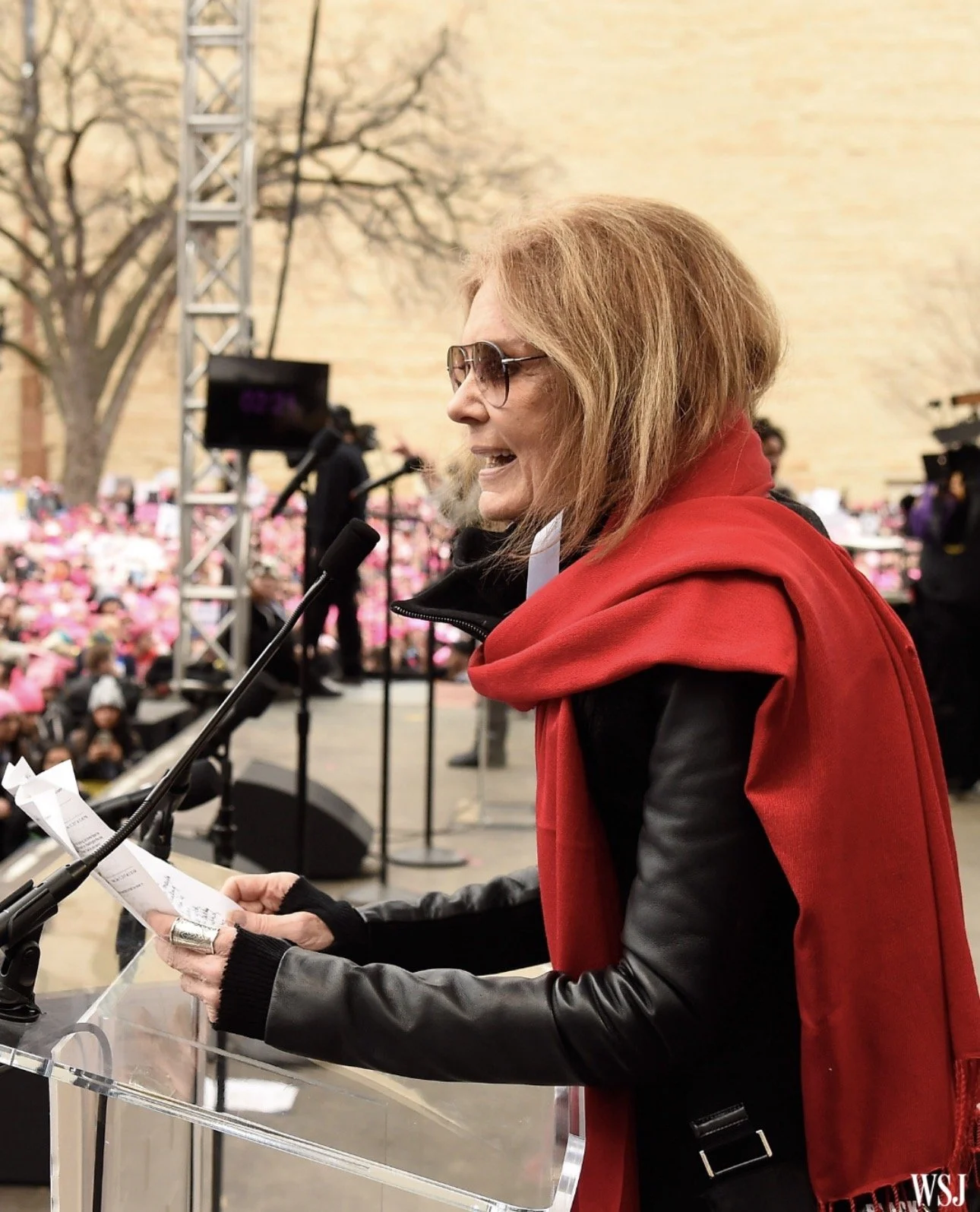
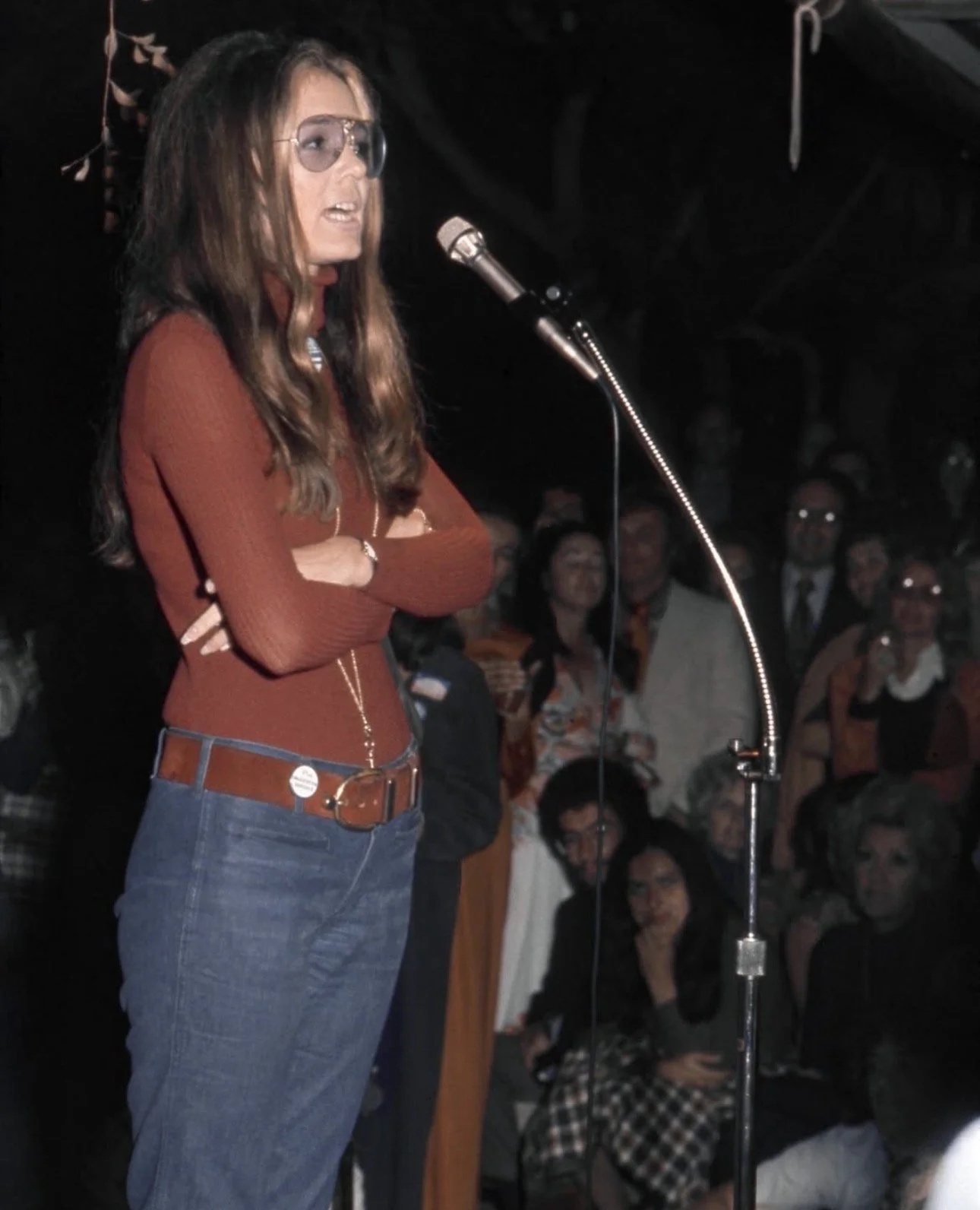
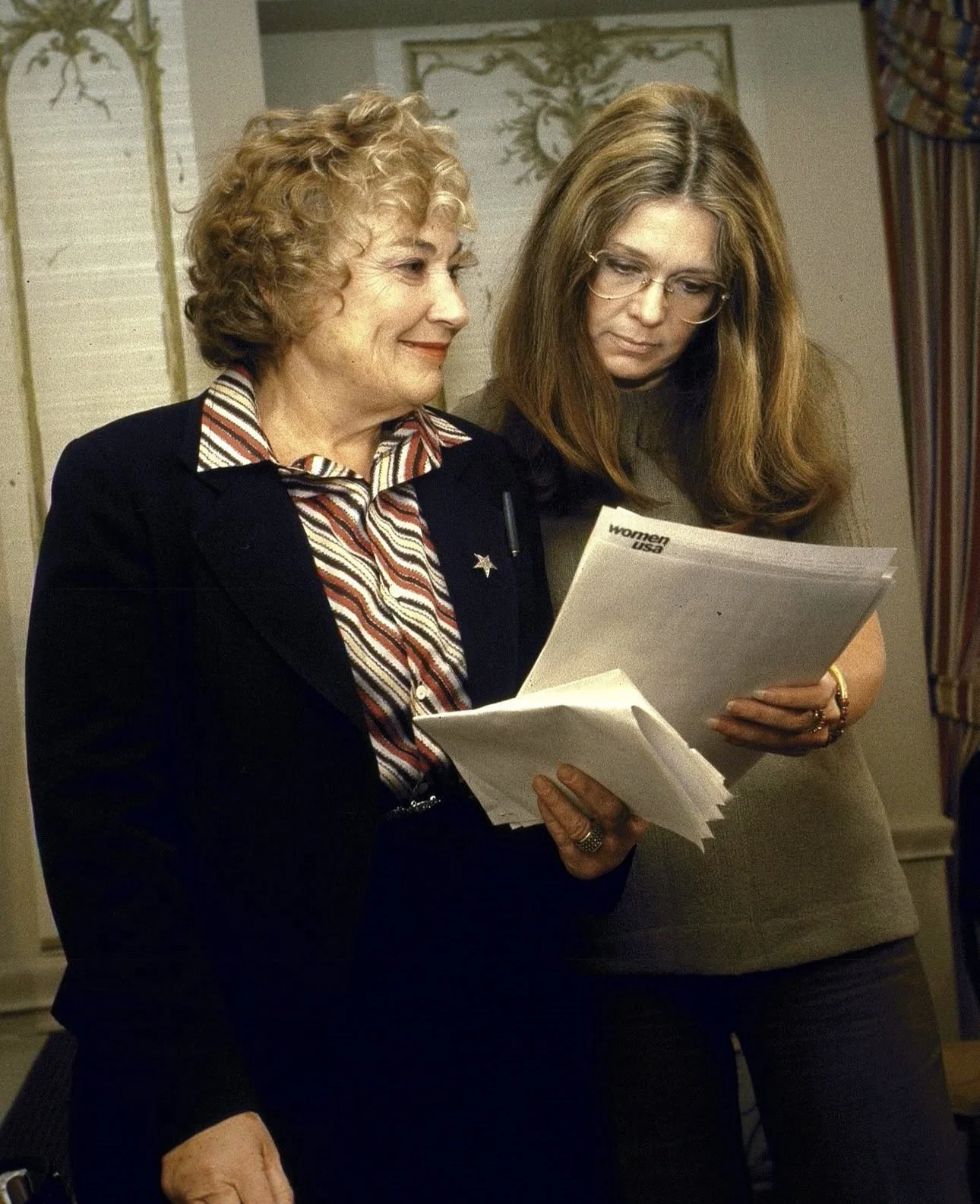
Further Reading, Watching & Listening
Gloria, in her own words
My Life on the Road. Probably the book I’d start with if you want to understand Gloria as an actual human being, because so much of it is about traveling, listening, organizing, meeting people wildly different from herself and allowing those encounters to continually shape her worldview.
Outrageous Acts and Everyday Rebellions. Her essential essay collection, and honestly such a good way to experience the range of her brain, from the Playboy Bunny investigation and her mother to menstruation, pornography, violence against women and the absurdities hiding inside supposedly ordinary life.
“After Black Power, Women’s Liberation” (1969). One of the early essays that pushed Gloria into national feminist prominence, and worth reading in its original historical moment rather than only through the much cleaner story we tell about second-wave feminism now.
“What It Would Be Like If Women Win” + Gloria revisiting it 50 years later. Read 36-year-old Gloria imagining what equality might someday look like, then 86-year-old Gloria coming back to her own words to see what changed, what didn’t and what she understood differently half a century later.
“If Men Could Menstruate”. Gloria at her funniest and sharpest, using an absurd little thought experiment about periods to expose how quickly power can turn something biological into something culturally prestigious, funded and important.
Smith College’s Voices of Feminism oral history with Gloria. Six parts of Gloria talking at length about childhood, her mother, India, journalism, Ms., movement conflicts, friendship, grief and what it actually felt like to become “Gloria Steinem,” and this is the nerdy deep-dive goldmine I would absolutely lose an afternoon to.
An Unexpected Life. Gloria’s final memoir comes out September 22, 2026, and revisits the childhood, people, travels and six-plus decades of activism that shaped her, which feels particularly poignant knowing these are some of the last reflections she chose to leave us.
The journalism, Ms. & the Playboy Bunny story
A Movement Lived and Written — Gloria’s Foundation archive. Such a cool interactive archive because you can actually move through the abortion speak-out that helped ignite her feminism, her early New York writing, original Ms. materials and the movement as it was being built in real time.
Revisiting Gloria Steinem in New York. New York went back into its own archive after her death and pulled together 15 pieces from Gloria’s years there, so this is a really good rabbit hole into Gloria the journalist before history turned her primarily into Gloria the icon.
50 Years of Reporting, Rebelling & Storytelling — Ms. Magazine. An incredible timeline of the things Ms. chose to put on a national magazine page when subjects like battered wives, sexual harassment, female genital mutilation and women’s bodies were still routinely kept outside polite mainstream conversation.
“A Bunny Thing Happened: An Oral History of the Playboy Clubs” — Vanity Fair. If Gloria’s undercover Playboy story fascinated you, this gives the much larger cultural world around those clubs, the women who worked inside them and what her famous exposé was actually puncturing.
The women beside her, before her & around the movement
Dorothy Pitman Hughes: “With Her Fist Raised” — Ms. Magazine. Read this if the part of my piece about Dorothy and Gloria grabbed you, because Dorothy’s childcare organizing, Black feminism, entrepreneurship and fearless public voice deserve to be understood far beyond that iconic photograph of the two women together.
Florynce “Flo” Kennedy: The Life of a Black Feminist Radical. Flo was a lawyer, Black Power activist, feminist, media genius, provocateur and one of the women Gloria traveled and spoke alongside, and her life makes the overlap between civil rights, Black Power and feminism infinitely harder to flatten into separate little historical movements.
Shirley Chisholm — National Women’s History Museum. “Unbought and Unbossed” Shirley belongs in this rabbit hole as the first Black woman in Congress, a co-founder of the National Women’s Political Caucus with Gloria and a woman who was thinking simultaneously about race, gender, poverty, war and political power long before anyone gave that combination a trendy name.
Pauli Murray — National Women’s History Museum. Pauli’s life is almost absurdly consequential, from developing the idea of “Jane Crow” and influencing the legal thinking later used by Thurgood Marshall and Ruth Bader Ginsburg to wrestling privately with gender identity decades before our current vocabulary existed.
Feminist Theory: From Margin to Center — bell hooks. If you want to go beyond admiring second-wave feminism and actually understand one of its most important critiques, hooks pushes directly on race, class, whose experiences get centered and whether equality means joining existing power structures or transforming them.
The 1977 National Women’s Conference archive — University of Houston. One of those giant historical events I genuinely cannot believe we talk about less, where tens of thousands gathered around feminism, childcare, minority rights, abortion, lesbian rights, political representation and what a national agenda for women could actually look like.
Race, sexuality, gender & the places Gloria’s thinking kept expanding
Gloria Steinem + Amandla Stenberg on feminism, race, gender identity and the future of the movement — Teen Vogue. This is one of my favorites because a 17-year-old Amandla genuinely challenges an 82-year-old Gloria on white feminism, gender binaries and who gets represented, and Gloria actually engages rather than retreating into being the Important Elder Feminist in the room.
“On Working Together Over Time” — Gloria Steinem in The Advocate. An especially worthwhile read because Gloria directly revisits things she wrote about transgender people in the 1970s, acknowledges where her understanding and language had fallen short and makes clear that trans people’s identities and healthcare decisions belong to them.
Gloria Steinem + Naomi Klein on feminism, #MeToo and movements working together — Rutgers. This conversation gets at something Gloria returned to constantly later in life: sexism, racism, LGBTQ+ rights, economic power and democracy are not tidy competing causes, because the divisions between movements are often far more artificial than the forces acting on people’s lives.
Watch her, listen to her, see the movement
Gloria: In Her Own Words (2011). If you want one documentary specifically about Gloria, start here: it combines interviews with her in her own home with archival footage from the decades when she was becoming one of the most visible women in American public life.
Dear Ms.: A Revolution in Print. A 2025 documentary deep-dive into Ms. itself and the complicated, audacious experiment of trying to put an actual women’s movement into print.
WOMAN with Gloria Steinem. Gloria and a team of women journalists travel globally through stories involving child marriage, femicide, missing Indigenous women, sexual violence, women in prison and war, which gets you far outside the very American version of her legacy we tend to know best.
Live to Lead: Gloria Steinem — Netflix. A short, late-in-life Gloria episode that is especially lovely if what interests you is the older woman reflecting back on leadership, authenticity and what decades of trying to change things taught her.
MAKERS: Women Who Make America — PBS. Less “Gloria biography” and more the ecosystem she belonged to, which is exactly why I like it: the women’s movement appears as millions of women changing work, politics, family, sexuality and American culture rather than one famous person doing everything.
The Glorias. This one is a dramatized film rather than a documentary, based on My Life on the Road, with different actresses playing Gloria at different ages and women like Dorothy Pitman Hughes and Flo Kennedy actually occupying the story around her rather than disappearing into the background.
